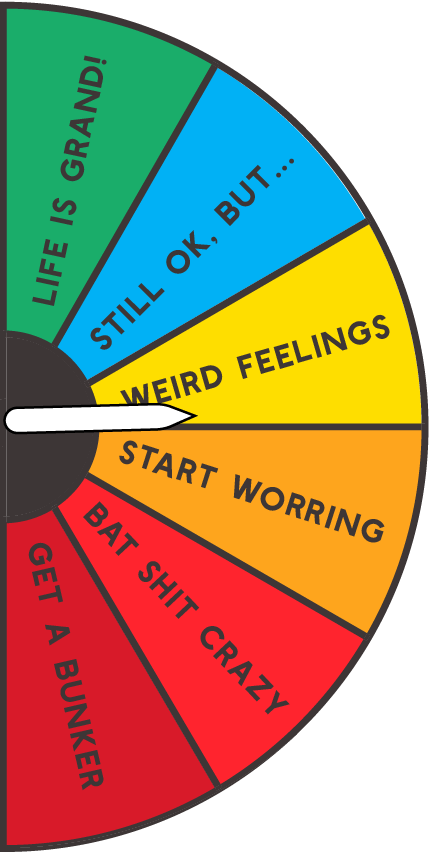
Volcanoes are erupting in The Philippines, but on-fire Australia received some welcome rain. The Iran war cries have been called off and The Donald’s military powers are about to be hamstrung by the Senate. Meanwhile, his impeachment trial is starting, and we’re all on Twitter for a front-row seat.

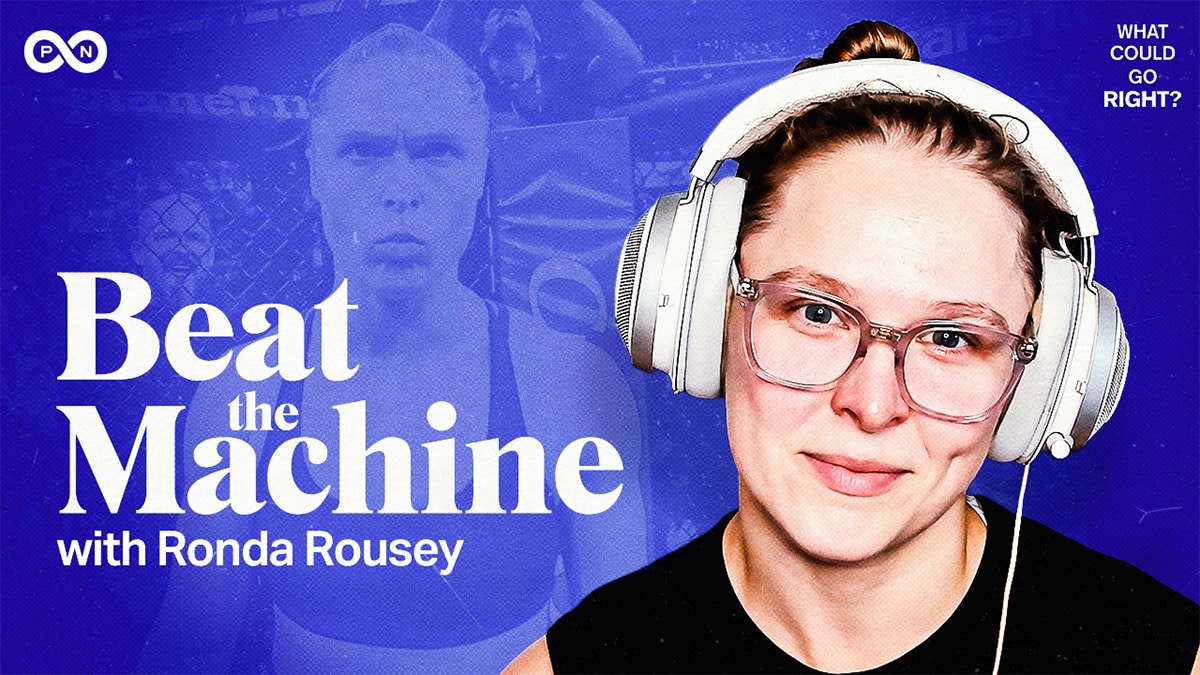
How Haters Can Accidentally Make You Happier
Featuring Ronda Rousey
The concept of the American Dream calls up images of enormous money and fame that most of us will never see. But what happens to someone who actually becomes mega famous? Is it truly something to strive for? Is the cost worth it? Ronda Rousey, the superstar MMA fighter turned graphic novelist, joins Zachary Karabell to explain her approach to creativity, life, and happiness that rejects our traditional metrics for success.


Prefer to read? Check out the Audio Transcript
Although the transcription is largely accurate, in some cases it may be incomplete or inaccurate due to inaudible passages or transcription software errors.
[00:00:00] Ronda Rousey: It really taught me to separate my public perception from my self-perception. I think it was one of the best things that, that ever happened to me, and it kept me from getting stuck in that trap.
[00:00:10] Zachary Karabell: That was my guest today on What Could Go Right? Ronda Rousey, one of the most famous female athlete superstars in the world, who is now also the author of a graphic novel, Expecting the Unexpected, which in many ways comes out of her own experience as both a fighter and as someone trying to get pregnant and then having children.
And as we will discuss, it’s a little bit of a Kill Bill meets John Wick encounters Knocked Up. One of the fascinating things about Ronda’s life is the degree to which at multiple moments along the way She either did things she wasn’t supposed to do or did things that weren’t supposed to work. She becomes a world-class Olympian in the 2008 Beijing Olympics, the first American woman to win a medal in judo, and then becomes a mixed martial artist, UFC fighter, and everyone said there’s no way women could ever do this.
It was too brutal. It was too violent. It was wrong, and she does it. She also gets unbelievable negativity beamed at her for doing so, and then she leaves the UFC, and everyone thought that’s it. There’s no way she’s gonna be able to establish her own fame, her own platform, and she does. And in many ways, her life is an example of how much should you follow the beat of your own particular drummer?
How much should you listen to those telling you not to do something and do it anyway? How much of things going well is unexpected? Meaning how much of what could go right is a product of taking the risk that things could go wrong? And in her recent career, even though she decides to do something purely for returning to the sport, it ends up being an incredible moment that has pretty profound political and cultural implications for all of us.
Ronda Rousey, it’s so cool to have you on What Could Go Right? You went from being a world-class athlete to then in MMA and WWE. Now, for most of us, we, we think of MMA and judo as unbelievably high-end sports, but a lot of people think of the WWE part more as entertainment. Is that right, do you think, or is that not an accurate divide?
[00:02:24] Ronda Rousey: Oh, yeah. WWE pro wrestling is not a sport at all because it is scripted, and the… It, it, it requires some athleticism, and it is taxing on the body, but it is very much a performance, and that’s what I really loved about it. I learned a lot being there is storytelling through the medium of fighting and using action as a way to tell a story, and that is
I, I don’t think that, like, lessens it at all. It’s just something, it makes it something entirely unique. It’s just saying that it’s a sport is making it something that it, it’s not, and it is, uh, it is a form of storytelling that really taught me a lot. And I think, you know, fighting in a way is a form of storytelling, not the fight itself, but the promotion And when you’re promo- promoting a fight, you’re getting across what is the story of this fight?
Why do you want to tune in to see the climax or the finale of this story? And in pro wrestling, it, it makes that part of it, like, the whole thing basically, is the promotion, is the performance, is the whole thing that you’re, you’re tuning in for. And so that’s why I, I learned a lot from pro wrestling into how to be better at promoting a fight, and how to tell a story through the fight itself.
And I think through, like, a lot of, like s- like, you know, media, like movies and, and comics and books and things like that, that the action sequences, the fights are like a break away from the story. They take a break from the story to say, “Okay, and then there was a fight.” And one thing I really learned through pro wrestling is like, no, this is a huge opportunity to keep telling the story through the fight.
And fights can be very character revealing, and can, you know, really progress the story, and can really bring you in non-verbally, and not use dialogue as a crutch to be able to tell the story, and to be able to real- really see these fighters’ characters.
[00:04:18] Zachary Karabell: Did you use that observation or that sensibility as a way of thinking about- Writing the graphic novel?
[00:04:25] Ronda Rousey: Oh, 100%. Paul Hayman put the idea in my mind of like, “Why don’t you write your own film for yourself?” I felt like what’s the story that I could tell better than anybody else, and I was trying to get pregnant at the time, and I’m like, oh my God, chick that’s pregnant that’s dealing with like all of the physical stuff of being pregnant while like trying to like fight and all of these things.
And then I got the, basically the log line for the comic, which was like Kill Bill, but the part that they skipped that all the assassins are after this chick and she’s on the run while pregnant, and she’s kind of battling with what’s the right thing to do here for my baby. I got the, the first draft out in a, an 11 straight hours of thumb typing on my phone when I’d never written anything before in my life, and that’s what started my obsession into, I mean, I, I say it’s screenwriting, but it’s really just storytelling, and screenwriting is kind of like the format that just kind of like fits best for me to be able to get it out because it’s, it’s such a process to break everything out panel by panel for a comic.
And so when I first write something out, it’ll be in screenwriting format, and then I met up with Axel Alonso, AWA, and he helped me break it up into comic book script format.
[00:05:29] Zachary Karabell: I’m so glad you mentioned the Kill Bill ‘cause I’d, I’d seen a few interviews with you where you talked about the, the book being kind of a combination of Knocked Up and John Wick, and maybe that’s just ‘cause that’s more contemporary, but that Kill Bill is absolutely, you know, what I was thinking of when I looked at it, and even to the point of the, the romance in the book and the romance in Kill Bill, you know, basically loving the person who is also trying to kill her.
Not saying that that represents your own life. ‘Cause the character is called Mom, which of course does evoke a little bit of the Kill Bill thing, but also the, the title Expecting the Unexpected, which is a riff, I assume it’s a riff on What to Expect When You’re Expecting, which everybody reads.
[00:06:05] Ronda Rousey: Well, originally it was What to Expect When Expecting the Unexpected.
[00:06:08] Zachary Karabell: Oh.
[00:06:09] Ronda Rousey: But they said to me that was too long. Okay. So I had to break it down to Expecting the Unexpected. Maybe it’ll just be Expect… I just call it Expecting, like in, in short. It, it was so fun to write. I’ve already written a sequel to it. I’m obsessed with it. I actually, it’s just what started me on my whole writing journey.
I like, um, I just finished my, my fifth screenplay-
[00:06:28] Zachary Karabell: Wow …
[00:06:28] Ronda Rousey: um, right after this fight, and I was, you know, just doing it actually before this fight camp, in this fight camp, and then finishing it afterward, and it just became like a really like positive and creative place to put all my mental energy, you know?
Like instead of like ruminating in my free time, it gives me something creative to, to work on and do and think about. If anything, it’s kind of like a, like a therapeutic thing for me, like, you know, like making clay pots or some shit. And I feel like the comic book medium is like probably the best fit for me because I feel like that’s where you can kind of have like the most control of it from beginning to end.
If like, you know, and you’re putting something into film or anything like that, it goes through hundreds of other filters before it, it gets finished. So I feel like this is- Surprisingly, a little niche that I could hopefully, you know, continue to expand in. I’ve already written so many more stories, so hopefully, you know, this, this one’s just the beginning.
[00:07:23] Zachary Karabell: You said you wrote the book in part ‘cause you wanted to share what you thought were experiences that o- often aren’t shared, that a lot of people have, particularly women going through, you know, what does it mean to be a mother? What does it mean to have a child? What does it mean to balance, I guess in the case of your book, really juggle a career?
[00:07:42] Ronda Rousey: Well, I guess, uh, you know, I was saying, you know, it’s like John Wick meets Knocked Up.
[00:07:46] Zachary Karabell: Yeah.
[00:07:46] Ronda Rousey: John Wick never goes to the bathroom. You never noticed that? Never has to bodily function. It’s
[00:07:51] Zachary Karabell: true.
[00:07:51] Ronda Rousey: When you are pregnant, you are nothing except for bodily functions, and I felt like it was a great metaphor for, you know, not just being pregnant and- No one’s helping you.
It’s being pregnant, and the whole world is out to get you. And how do you find that confidence in yourself to be a mother when you feel like the world’s out to get you, and you’re not capable of, of being a mom? That you wanna be a mom, but, like, this, this chick, she’s… All she’s good at is destroying things.
She’s a killer, but she’s not a nurturer. And it’s, I think, her own insecurities that she really has to overcome, and she uses the excuse of like, “Oh, well, it’s everybody’s trying to kill me,” you know? And I, I just love the other… I started writing it before I got pregnant, and then I finished it like, as I was pregnant and having babies and everything like that.
And it was so funny the things that I assumed about pregnancy starting it, and things that I knew for, for certain afterward. But I, I, I love the fact that there’s, like, an ongoing joke that every single time she goes to the bathroom she gets attacked, like every single time. And when she- once you’re pregnant, you realize how much of a fucking battle it is to find a bathroom every five minutes.
So she literally is battling to go to the fucking bathroom every five minutes, and a lot of it is like a, a little bit of a, an exaggerated a- analog of trying to, to figure out how you’re going to bring a child into a hostile world and find your, your belief in yourself to be able to give this kid a life worth living.
[00:09:19] Zachary Karabell: It reminds me a little, I mean, there’s that other scene in Kill Bill where she s- finds out she’s pregnant while that other, the other female assassin is trying to kill her in the hotel room. Yeah. And they have this kind of bonding moment of like, “Okay, yeah, I mean, I’m trying to kill you. You’re trying to kill me.”
Yeah. “But you’re about to have a baby, so maybe we should, like, we should call truce on this one-” Yeah. “… for this moment.” And
[00:09:37] Ronda Rousey: it’s just like, “Congratulations.” It’s so great. You can tell that there’s a homage to it, but it’s obviously goes extremely differently. But that’s basically what, what inspired me to do the whole thing was, like, I wanted to hear more of, of that story, and that, like, dichotomy of like you’re a killer but you’re bringing life, you know?
You kill… You are killing things easily, but it’s so difficult for you to, to give life to one thing, and I, I love that, that contradiction of that giving life is so much harder than taking it, and really diving deep into that.
[00:10:10] Zachary Karabell: It’s a brilliant dichotomy or brilliant tension. So pivoting for a moment, the, particularly the world, WWE, but also mixed martial arts fighting has, over the past, like, 15 or 20 years in the United States, in terms of audience or at least visible audience, replicated this weird partisan divide.
I mean, NASCAR does that a little bit, too. Why is that, do you think? Like, wh- what is it that… Like, why does what we call the right or Republicans, like, like WWE and, and mixed martial arts, and the left either scorns it or doesn’t? Like, there’s nothing about it… Boxing at one point I don’t think had a partisan- Like, you know, talking about Ali and Frazier or great fighters in the 20th century, I don’t think there was a Republican/Democrat divide.
[00:10:56] Ronda Rousey: Well, I think that’s been much more recent ‘cause when I first started, it wasn’t like that at all. There was this really big, like, women empowerment movement and, you know, dads bringing their little girls to fights and, and things like that. And so I think that’s been much more of a recent shift, and I think it’s been a, a big mistake on, on the side of the UFC in that allowing politics to really seep in and have politicians at the events and highlighting people that are really politically polarizing of the events because it’s alienating half of the potential fan base.
I remember I was talking to Da- Dana
hated it when I would get tattoos. I, I didn’t have these when I was fighting. Anytime I said I was gonna get a tattoo, he was like, “Don’t do it. Don’t get a tattoo. Don’t get it.” And it was like he would say that people that are into tattoos like people with tattoos, but they also like people with no tattoos, and there’s a lot of people with no tattoos that don’t like people with tattoos, and then you’re cutting out all the people that don’t like tattoos.
So it’s best to just have no tattoos, so that way you’re inviting everybody in, and you’re not excluding anyone. And I think that people are being excluded by showing, by highlighting these things, that I think that sport is something that I learned from the Olympics that should be entirely neutral and is something that we all have in common that should bring e– But everyone should leave all of their bullshit at the door and then show up and be like, “Let’s watch some fights today.”
You know, my first Olympics, it was 2004, and I was cutting weight next to this boxer from Iraq and, you know, this little 6, 17-year-old American girl cutting weight next to a guy from Iraq. Our two countries are bombing the hell out of each other. He prob– You know, I probably wouldn’t even allowed to be doing what I was doing in his country, but we put all of our bullshit at the door, and we’re like, “We’re gonna cut weight together.”
[00:12:46] Zachary Karabell: Right. “
[00:12:46] Ronda Rousey: And we’re going, fuck all of everything that’s going on. You need to make this weight. I need to make this weight. We’re gonna make this weight.” You know? Like who– All the bullshit at the door. Let’s just do, do some sports. And I think that needs to be remembered, and I think everyone’s just getting so tired of all of the The polarizing shit.
And that’s one thing that I, with this last fight, really insisted on, was not getting into that. ‘Cause me and Gina totally could have gone down that angle.
[00:13:16] Zachary Karabell: But I was like- And for people who don’t know, you, you did a fight that, uh, was not done by WWE or UFC, right? You ended up doing it independently with Netflix.
[00:13:23] Ronda Rousey: Yes. I reached out to MVP and did it with Netflix, and set the record for the most viewed MMA fight of all time, with Gina Carano, Francis Ngannou, Zubair Tuhin, Nate Diaz, and Mike Perry all sharing the headline we created- And
[00:13:35] Zachary Karabell: do you think that could be a template- … an incredible fight. H- half of these questions for me is, like, I’m an outsider to all this.
I mean, I’m aware of a lot of it, but I’m not really, like, in any of it. And-
[00:13:44] Ronda Rousey: Mm-hmm …
[00:13:45] Zachary Karabell: I come from a cohort where to the degree L- Vince McMahon and then Linda McMahon in particular have become so identified with the Trump administration, and people like Joe Rogan, who’s, uh, admittedly a much more complicated person, right?
I mean, he’s… You know, he tilts in whatever direction. At least it’s his own direction, though. But I think for a lot of us it does feel like it’s become very polarized. Now, that doesn’t prevent, you know, me or people I know from really enjoying UFC
Sons are fans and I went to a bout in Las Vegas, so it’s not like I’m totally out of it. But I don’t know where that leads those organizations in the future. Are you more, do you think this is gonna become less of a, I guess the negative way to say it would be less of a cabal or less of a monopoly and more of a, uh, like-
[00:14:36] Ronda Rousey: I think competition is healthy, and I think that UFC has kind of found their niche of, you know, fights every weekend and the quantity.
And I think that there is a huge opening for a promotion like MVP to step in and just do, we’re gonna do premier quality fights that are big events, and make them feel like big events again, and to make them feel all-inclusive again. And so that’s why, you know, Gina had her share of political controversy in the past.
She made some political posts, got fired by Disney, sued them, won the lawsuit. It was a big thing. And I was, you know, raised by a college professor and a rocket scientist in a rent-controlled apartment in Santa Monica. You know what I mean? Like, I am basically on the very, the farthest opposite side that you could be from that.
But I decided not to go down that angle, and instead to be like, “Okay, the story behind this fight could be that, or it could be the fighters versus the machine.” And that’s the angle that I decided to take, that this is all of the fighters together fighting against the publicly traded mega corporation that has taken over the sport, and I decided to make that the story that, that we were telling.
And that’s a choice, you know? I decided purposefully not to make it political when it could have been, and I think that a lot of the fighters are, n- are not putting into their mind, they’re just thinking like, “Oh, what can I say that’s most rou- outrageous as possible that will piss off as many people as possible, get as much engagement as possible, and that’s what’ll get me, you know, visibility?”
And I think that they need to look at every fight individually. What is the story of this fight? When we were wrestling, but you always talk about what’s the story of the match. And so need to think about, what is the combination that me and this other person bring that no other combination will bring?
And what is the story between us that people should bring to this big finale? And instead of people thinking of their fights in that way and their promotion in that way, they’re just like, “I’m just gonna say something that pisses people off.” And what’s, what’s in vogue right now? Just pissing people off with political, sexist, misogynistic, you know, whatever’s, whatever it is, you know?
And it’s not, I don’t think that people really feel that way, it’s just they’re not very fucking creative.
[00:16:54] Zachary Karabell: Yeah. I mean, if you think about that, even though sports are not necessarily p- political or you’re saying you didn’t want it to be that way, that message that you created in it, right, which is you could have done this as, like, you against her, different cultural perspectives, right, and made that a kind of a partisan fight.
And I’m sure that- Mm-hmm … could have generated some sort of an audience. Instead, you made it more about, as you said, the big corporations taking over and, you know, where is the, losing the spirit of the, of the endeavor in the first place. You know, that plays directly into what a lot of people feel politically, right?
That there’s a whole series of forces that are kind of taking over that don’t include them, that monetize their anger and their outrage and their eyeballs and their attention, but give them nothing in return other than- Well,
[00:17:35] Ronda Rousey: I was making it into, like, the, the story of the class war until, instead of the story of the culture war.
[00:17:40] Zachary Karabell: Right.
[00:17:40] Ronda Rousey: And the class war is bipartisan.
[00:17:43] Zachary Karabell: Right.
[00:17:43] Ronda Rousey: People just don’t really realize it.
[00:17:45] Zachary Karabell: Yeah.
[00:17:45] Ronda Rousey: And so that was all-inclusive, and I had so many people telling me how much of a relief it was to not see Two people just talking shit about each other, and then everyone coming together and working together for this.
And they loved the story just by how refreshing it was. Everybody was like, had each other’s backs, and like, they would bring up, “Well, somebody else said this thing about you,” and then like, “My opponent,” and like me, where they like, they jumped in to defend me before I even jumped in to defend myself, so it kind of felt really cool.
It w- like, created this thing of like, oh, it’s us against the world. And this event, it, uh, represents, you know, you know, change in the industry and change in society and all of this, and that takes creativity. That takes, how can I approach this differently instead of just hammering that same note over and over and over again?
[00:18:31] Zachary Karabell: Do you think you’re gonna build on that? I mean, again, that is a current stream, right? In that If you wanna believe the best, particularly about American society, it will be that a large number of people are going to get fed up with a culture war that only a few number of people care about to the degree that it’s become, right?
And that the rest of us are either spectators or being forced into a, a side picking in that culture war that, that most people don’t actually wanna pick.
[00:19:01] Ronda Rousey: Oh, yeah. I think a lot of people are tired of being angry, and they wanna be inspired.
[00:19:04] Zachary Karabell: Right. I mean, you know, the danger of the culture war thing, too, is it’s still anger, and it’s still outrage, right?
So that too can lead … The seeds of its own destruction are in it, you know? And that, that anything that is based entirely on anger and outrage will burn itself out. I mean, if that becomes fuel for something constructive, that is constructive. It doesn’t always work that way. Even so, I mean, is that something
Clearly you could build on this in a pretty potent fashion.
[00:19:32] Ronda Rousey: Yeah, that’s the thing. I could do so much stuff, and I think, like, that’s really the reason why I really got into, like, writing comics and screenplays and stuff like that, is that it is something that’s entirely for, for me, and it’s fulfilling to me.
And I have so many people coming to me and being like, “Ronda, you should start a ri- fighters’ union. Ronda, you should start, you know, a rival promotion. Ronda, you should do this, this, this, and that. You should come back and fight more. You could do combat jujitsu. You could…” You know what I mean? And it’s like, yes, I could do…
I could be awesome at a lot of stuff, but what is personally fulfilling to me in my life and is helpful to, like, me and my family, and like, I had a great time in this last fight camp, but I spent a lot of time away from my kids, even though I was training in the house. And I realized that, like, after I won and I was kind of like, “Oh, that was nice,” it wasn’t, like, a huge high like it used to be because there wasn’t all this negativity because of before that that I was getting relief from.
And I kind of realized that, oh, I’d been compulsively chasing things so much in my whole life, that I was just continuing to chase even though I’d already caught it, you know? I already had every- I have everything I want. I have everything I need. I… It was like the, the h- full hero’s journey. Everything I was learning, like studying all these screenplays is like I had this, this want of wanting to set everything right in MMA and take over all that stuff again, but what I…
You know, once I got to the point where I could have it and it was right there in front of me, I realized, oh, this isn’t really what I want anymore. The pursuit of that has changed me into a person that has different wants and needs, and- I want to be present with my family and my… I grew up, my mom was working three jobs to try and, and support us, and wasn’t present nearly as much as she wanted to be because the, she had bills to pay and, you know, she had a husband who died that left her with all of these medical bills and three children to support on her own.
I’m very lucky to be in a position where I can be present for my kids. Why would I choose not to be? Why would I choose to go off and do other things to make more money that we don’t need, and to make more and more accomplishments? Like, bitch, are you fucking impressed enough with yourself yet? Like, what’s it gonna take for you to spend some time with your kids?
And that’s what really matters, and I had to go through all of that and have everything laid out in front of me that you could be the next Dana White of a new organization and take over the whole world, and you could have, you know, multiple more fights that would make you tens and tens of millions of more dollars and all of this stuff.
And I, I had to have that laid out in front of me and be like, “You know what? Actually, I wanna spend time with my kids.” And if I can make helping out, you know, like fit in with my, like, you know, with my family as a priority, I will. But that’s a huge endeavor. Yeah. That takes a lot of passion and time, and your undivided attention.
And I want my kids to have my undivided attention, and I’m in the middle of IVF right now trying to have another kid and, um, that’s what I want. I want a big family and to be able to spend my time with them.
[00:22:30] Zachary Karabell: So, you know, so many athletes, at least until recently, never thought- too far forward about the limitations of body and the fact that the career was presumably gonna end long before one’s life.
And a lot of the major sports leagues, I think, have gotten better at like, you know, hiring financial advisors who meet with someone when they’re 20 years old and say, “You know, this has to last you a life,” rather than, you know, buying a Ferrari when you’re X age. Were you more aware at an earlier age? You, you had a body that was excelling, and y- you could have fame and presumably a lot of success and some money, but that that was, you know, sort of part of a chapter of a life and not the whole thing?
[00:23:12] Ronda Rousey: Well, I’ve always really lived below my means, I guess. You know? Like, I’ve never really lived that extravagantly, ‘cause I’ve just… Yeah, I, it… You always feel like… I feel like as a fighter, you get your money in chunks, so you don’t have a salary. So you’re always like, “How long will this chunk last me? How long will it last me?
How long will it last me?” And so I, it’s not like football or, you know, soccer or baseball or anything like that where you have a contract that lasts for years, and you have, like, a 10-year several whatever bajillion dollar contract. It was like, you get money for this fight. Now you get money for this fight, and you get money for this fight.
So ever since my first pro fight, I’m like, “I got $800. How long is this $800 gonna last me?” And the next, you know, and I’m, “I got $1,200. How long is this gonna last me?” So every time I got a fight, I would always do the math, that if I never made a penny again, how long could this last? And so that was always kind of, like, in my mind.
[00:24:03] Zachary Karabell: But I don’t think that’s typical. I mean, and first of all, maybe there’s something, you know, male/female different in that, in that it certainly doesn’t prevent a lot of male fighters from taking their one earnings from that one fight and blowing it all, uh, even at huge amounts of money. I mean, there’s no, at least there’s no visible equivalent of, like, a female Conor McGregor, you know, like burning through millions and millions of dollars in one form or another.
[00:24:27] Ronda Rousey: Well, you know, I, I’ve, I’ve had en- enough eviction notices put onto my door, I think, to, to keep that from happening. I’ve been really lucky. I’ve never had, like, a gambling problem or, like, a drug problem or the kinda things that really sap out, you know, people’s money. I just come from, like, a really well-educated family.
Not, like, a really wealthy family, but everyone’s extremely well-educated. Great, like, guidance all the way along that, like, “Don’t you fuck up,” you know? And they’re, they’re very much, like- Yeah, right … trying to, like, keep me from getting too, uh, full of myself, you know? So I, my, my family’s always constantly ego checking me, and I have a lot…
I think a lot of times people surround themselves with, you know, the yes-men, and your reality is basically dictated by the people around you. And if people around you are just… If you’re just surrounded in, like, by, like, a hall of mirrors, you don’t know what’s right or wrong or up or down or a good idea or a bad idea.
And lu- luckily, I’ve always had really good references around me and a really, you know, accurate reflection of, of the world, you know, back at me. And had I had any, like, really bad ideas, someone, someone would come and be like, “You know-” Probably you shouldn’t do that.
[00:25:36] Zachary Karabell: And did that kind of sensibility help you?
I mean, there was a period of time, like the downside of the fame you had was just an absurd amount of hateful hostility sort of beamed at you. I, I think probably more than most men get. AI could probably digest everybody’s social media presence for the past 20 years and see if there’s like a difference in the amount of just sheer hostility that was pointed your way, but it was a lot, and, and confusingly a lot.
Like, it’s not like you did anything that in and of itself should have engendered that kind of response, right? So how did you-
[00:26:12] Ronda Rousey: Right, I didn’t have any big scandals. I know. I didn’t have anything like that. I wasn’t raping anybody. Right. I didn’t have any affairs. I didn’t, you know, hit-and-run any pregnant ladies.
Right. It really taught me to separate my public perception from my self-perception. And I think it was one of the best things that, that ever happened to me, and it kept me from getting stuck in that trap. Letting the e- the good things that people say affect me also allows the bad things to affect me.
You know what I mean? If you’re taking it in, any of it in, you’re taking it all in, and it really kept me from getting swept away by all of that, ‘cause I think that that positivity can kind of damage you just as much as the negativity could. Yep. You know? There was a point where I was like, would wake up in the morning and like look at my, my, the comments on my b- my pictures like, like it was the morning paper, or look at my tagged pictures.
Why am I even taking any of it in? And I stopped when suddenly got started getting that wave of negativity, and then I was like realizing that even when it was going the other way, it was bad for me. Yeah. Like, why are you even doing that? And it just becomes like, uh, that outside validation becomes addictive, and it’s not healthy one way or the other.
So I’m just really glad I was kinda forced to separate from it.
[00:27:25] Zachary Karabell: I mean, it’s an interesting perspective on that. Like, I’ve had my own very, very mini-me version of this. You know, I was on CNBC for five or six years. There was a, a period of time where, you know, the occasional person would recognize me, and then, uh, that also led to l- you know, lots of negative commentary.
And, and the same is still true, stuff that I write. You know, most 80% of what you get is negative, and, uh, you’re lucky if 20% of it’s positive. I always wonder, you know, it may be different in like trying to have a conversation. This is where writing a book is also somewhat different. You know, for me, it’s always been wanting to engage what’s constructive and also then not take in what’s destructive.
And it’s hard to do, but I’m not as willing to just silence it all. Now, I had nowhere near the volume that you did, and it may be that there’s like a, there’s a point at which quantity becomes quality, meaning it’s just too much.
[00:28:16] Ronda Rousey: Well, I think it’s a, a space where you’re, you put You put things out, you know?
This is, like social media and all that other place where you put out everything that you wanna put out. But it’s not your responsibility to take everybody’s shit back in
[00:28:28] Zachary Karabell: But don’t you wanna take in what’s constructive, as opposed to just filtering it f-
[00:28:32] Ronda Rousey: I already have the people around me that I know who they are and I respect their opinion to give me their constructive feedback.
Why am I going to take feedback from complete strangers who I don’t know who they are, you know, or don’t know their qualifications, or don’t know their life experience? Why would I just blindly take anonymous input? That’s like take, make, taking medical advice from Reddit. It’s just like why, why would you?
And with writing a book or even a comic and stuff like that, it’s not about getting everyone to love it, it’s about finding the audience people who do And finding people that are into it and need to hear that message and are affected by it, and hoping that, that, that message gets to them. And if what other people need from you is to be able to vent, vent whatever vitriol they have inside of them, let them shout into the void, but you don’t have to take that onto yourself.
[00:29:20] Zachary Karabell: Well, that’s, like, remarkably healthy. I might, might have to try integrate that into my own life, for God sakes.
[00:29:25] Ronda Rousey: Take it.
[00:29:26] Zachary Karabell: But there’s also, I mean, at times, again, just sharing my own experience around this, like, where I, I feel like people… You know, part of the weirdness of the social media landscape is everybody gets to feel like they have a voice, right?
Because they can comment on something, or they can post on something. And, you know, often people just wanna be heard.
[00:29:47] Ronda Rousey: I think it gets to a point if you, if you feel ignored long enough, you’re gonna do anything just to get a reaction. And, like, sometimes it’s like, you know, I grew up in, in Santa Monica, you know, so there’s, like, homeless people everywhere.
And you just see people get to a point where they’ve just been, you know, gonna just get used to it, and you just don’t acknowledge. You just don’t see people. And you see people get so frustrated with being so invisible for so long that they’ll just scream, and they’ll just, you know, say anything or, like, just make a scene just to be looked at, to, to feel visible.
And it’s sad, but it’s, it’s also not just happening to people that are living on the street. It’s a lot of happening to a lot of people that are on Twitter or, you know, whatever social media platform that you’re using. And why should I give someone who basically could be in the middle of their own mental health crisis the same, like, credence I would give to my mother, who has a PhD in, you know, in psychology and is a world-renowned statistician?
Like, why would I give Right … you know what I mean, their, their voice is the same weight. Why would I give any stranger’s voice any weight unless I knew where it was coming from?
[00:30:54] Zachary Karabell: Yeah. How do you think about fame and influence and, like, who you are in some realms versus who you’re not in others?
[00:31:01] Ronda Rousey: Well, for me, fame was always a tool and not a goal.
And so it got to a point once where it was, like, fucking, like, Beatles mania, Michael Jackson level, where I couldn’t get, go to a restaurant without everybody standing up. You know, I couldn’t be in the line of, you know, the drive-in line of In-N-Out Burger without attracting a mob, and I couldn’t, like, live a normal life.
So that was something that I needed to do to accomplish my goals at that time. But I’m very fortunate that I’ve shifted, I think, to, like, the nostalgia sphere of fame. Where it’s kind of like, it’s not like a scene any time that I’m go out in public. It’s just like I, I kind of like know everybody, you know?
It’s like I have friends everywhere. It’s funny ‘cause I, I went to some of, you know… My, my, my husband’s into like team roping, and I go to like ropings and stuff, and they’re not like into fighting and, but people come and say hi all the time, and people with me are like, “Oh my God, that must get so annoying,” da, da, da.
I’m like, “This is nothing. This is easy. Are you kidding?” Like, so there’s so many like levels to it that like I’m like at the perfect level now where like everybody’s just my friend, you know? Um, whereas opposed to, you know, it used to be having the, to hold up the magazine with your own fa- you know, c- face on it to like hide from, from everybody.
So I’m like, I’m at the perfect level right now. Not that I’m complaining about how it was before. It was exactly what I needed it to be at the time, but I’m so glad it’s not like that still.
[00:32:34] Zachary Karabell: So you’ve achieved Goldilocks fame
[00:32:36] Ronda Rousey: Yes. Yes, I’m in the Goldilocks zone.
[00:32:38] Zachary Karabell: That’s great. I mean, like most people do not have your kind of balance around tasting the extent of what is possible and being able to say, “You know, I’m good.”
Like, that is not, that is not a typical response. People tend to get more and then hungry for even more, and then hungry and hungrier and hungrier for more in a way that will never be sated, right? It is ambition and appetite that is insatiable, but it drives a lot of people.
[00:33:05] Ronda Rousey: And I think if I didn’t have those negative experience that didn’t force me to like break away from needing that outside validation, I would keep chasing that- Yeah
forever. But that’s why I feel like that stuff, that shit was all meant to happen so that I would be able to, uh, ha- recalibrate my perspective into what is really important and find my happiness outside of that and then return to it- Yeah … instead of constantly trying to like, you know, fill some hole in me with that.
[00:33:33] Zachary Karabell: And, you know, on your hero’s journey, there is that old Buddhist adage of, what do you do to get enlightened? You chop wood and you carry water. And then what do you do when you’re enlightened? You chop wood and carry water. Like, the, the awareness of vast numbers of us humans are using that, as you just described, to fill some s- something, some validation, some need, and therefore it’s in- it’s unfillable.
It, no matter how much you have, it’s never sufficient. Uh, that can, I guess, drive a lot of ambition in ways that we, like look at and sometimes celebrate, but it’s a pretty lonely, hollow way to live that it seems like you’ve figured out is not the way you wanna live.
[00:34:10] Ronda Rousey: Yeah, I wanna be like the martial art master that’s like on top of the mountain, that people have to carry the water up to them so that I could be like, “All right, I will teach you the secrets.”
So yeah, I wanna like go move to Hawaii with my family and write, write my comics and teach some martial arts and, you know, if I can help out every once in a while with the ongoing battle for the soul of the nation, I c- And- I’ll, I’ll, I’ll dabble, but I can’t… I’m not gonna let it consume me, my life, or my family’s life.
In
[00:34:43] Zachary Karabell: your, in your spare time you will tend to the soul of the nation.
[00:34:44] Ronda Rousey: Yeah, in my spare time I’ll dabble in some, some soul-saving.
[00:34:49] Zachary Karabell: Well, you said you were doing some screenplays. Are you g- keep the mom character going?
[00:34:53] Ronda Rousey: Yeah, I have the, um, a sequel already written for Expecting, and this one little s- screenplay I just finished, I think it would also be an incredible graphic novel, so we’ll, we’ll see how that goes as well.
[00:35:05] Zachary Karabell: Well, that sounds Of like a genuinely full life in a, in a balanced way that is really admirable and enviable.
[00:35:14] Ronda Rousey: Well, I wish you the best on your journey. I, I fully recommend I f- I fully recommend the, the journey towards enlightenment. I think you can do it.
[00:35:23] Zachary Karabell: Do you? That’s good. I, I recommend it too. I think it’s a good thing for all of us to, to keep living and striving in the direction of balance.
So thank you so much, Ronda, for your time. No problem. And good luck with all of it. Thank you. Good luck with the books, with the IVF, with the move, with life.
[00:35:39] Ronda Rousey: Yes, yes. Luck, good, good luck with your life.
[00:35:42] Zachary Karabell: Well, that turned out to be a pretty philosophical conversation, more than I think I expected, and a pretty inspiring one as well.
I mean, it’s always really cool to hear someone living their own life, and it’s even cooler when the person living their own life ends up having incredible success doing so. Success defined purely in the materialistic metrics that we look at, fame, money, some degree of influence. Obviously, you can have incredible success and have none of those things.
I’m just saying it’s also cool when those things come with, and in the case of Ronda Rousey’s career, they have clearly come with. Uh, and she’s clearly also said, “You know what? That’s not all that’s important to me, and in fact, it’s not even the things that are most important to me,” which is also inspiring to hear, given how many people in our world today seem animated entirely by the accumulation of stuff.
The he or she who has the most things when they die wins, as opposed to he or she who has lived a life most in tune with their own passions and most balanced in terms of where we are societally wins, or doesn’t win at all, just lives a life that we can respect, admire, and be inspired by. So that was really cool.
I wanna thank, uh, Kaleidoscope for producing these episodes, this episode included. I wanna thank my team at the Progress Network for being my team at the Progress Network. And I wanna thank all of you for your time and attention, which I do not take for granted. We all have a certain amount of bandwidth and a limited amount of time, and every moment spent is a choice, and I appreciate and respect the choice you have made to listen or watch today.
Please sign up for the What Could Go Right newsletter at the Progress Network website. It is free. Or go to Substack and sign up that way. And for my Edgy Optimist column as well, also on Substack, and also free, though you are all welcome to contribute, which will go to supporting the work here and of the Progress Network.
We’ll be back with you next week. Thanks.
LOAD MORE
Meet the Hosts
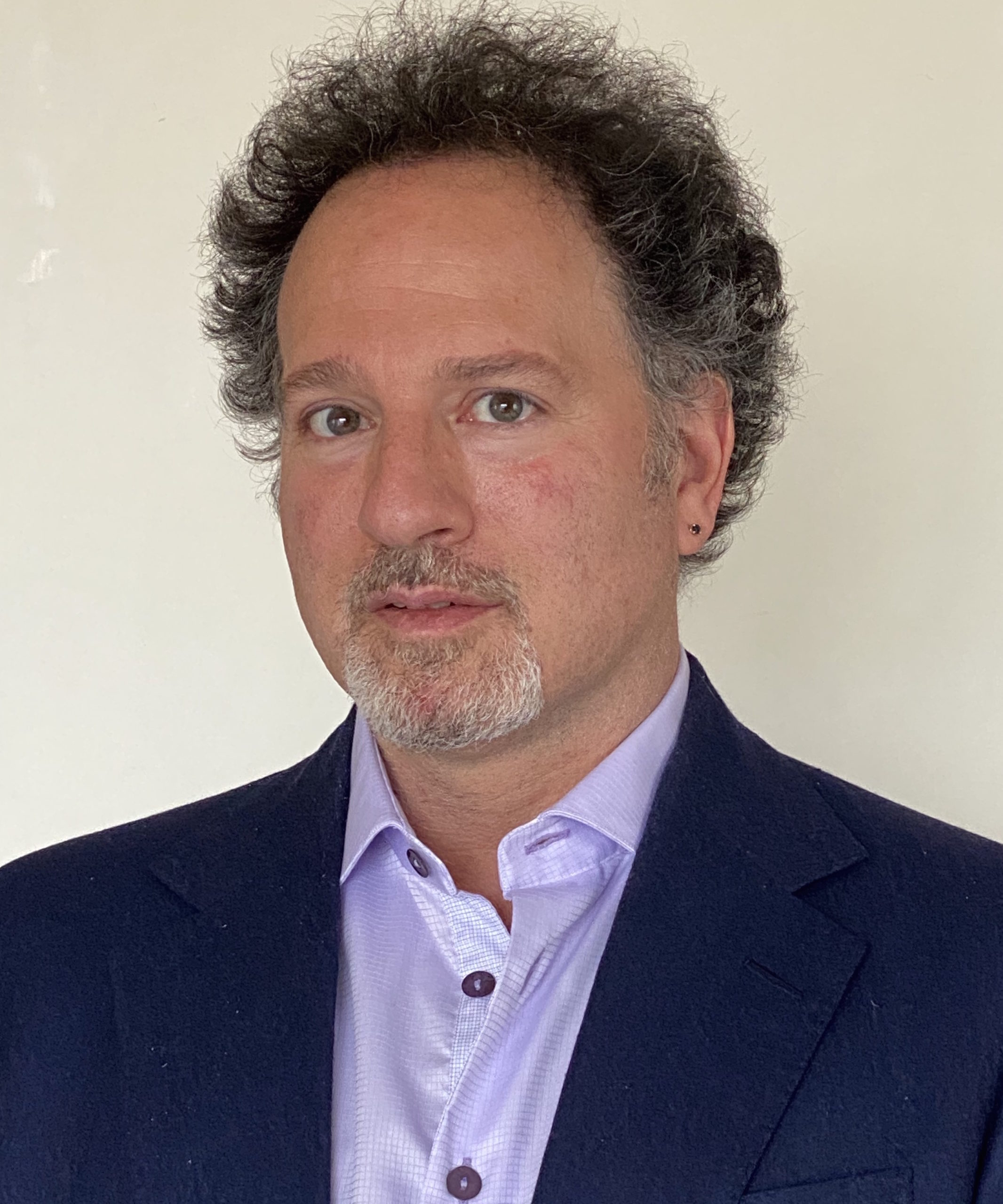
Zachary Karabell