Volcanoes are erupting in The Philippines, but on-fire Australia received some welcome rain. The Iran war cries have been called off and The Donald’s military powers are about to be hamstrung by the Senate. Meanwhile, his impeachment trial is starting, and we’re all on Twitter for a front-row seat.

What Could Go Right? 50 Great Things That Happened in 2025
Our favorite stories from this year

Emma Varvaloucas
This is our weekly newsletter, What Could Go Right? Sign up here to receive it in your inbox every Thursday at 5am ET. You can read past issues here.
50 Great Things That Happened in 2025

What words come to mind when you think about 2025? Chaotic? Disruptive? Violent? Well, by the time you get through this list of our 50 favorite progress stories of the past year, you might feel like adding uplifting, inspiring, and encouraging.
Without further ado, here’s our annual global roundup of good-news stories, and don’t forget to check out our United States–based rundown from last week.
The Progress Network is closed for the next two weeks, but we’ll be back in your inboxes on January 8th, ready to start fresh in 2026. Until then, happy holidays!
Energy & Environment
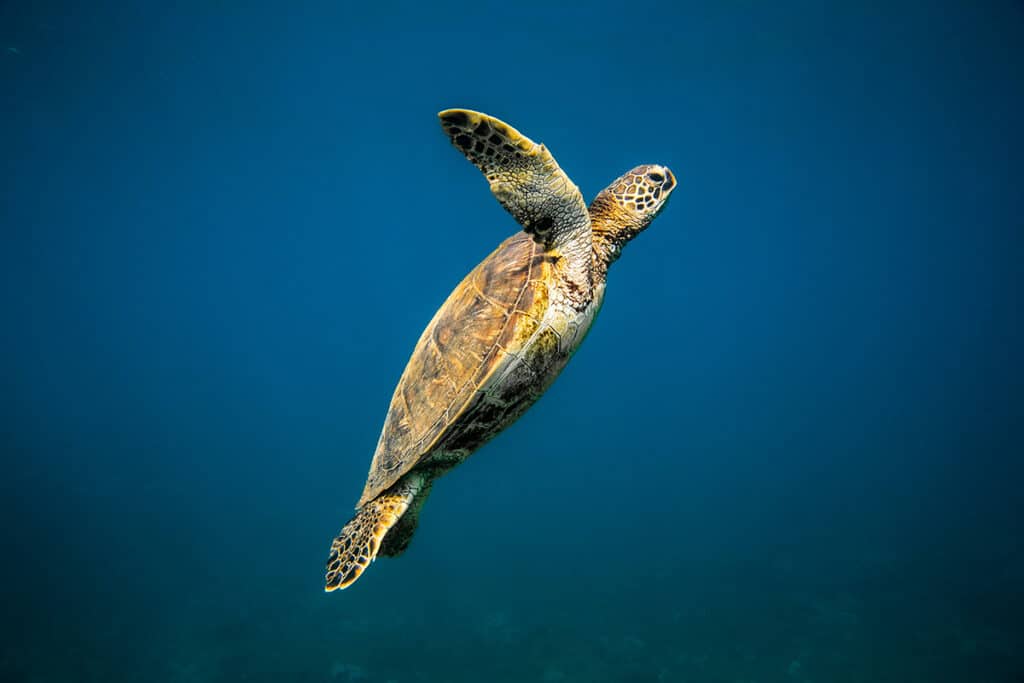
- The green sea turtle was reclassified as a “species of least concern,” after being close to extinction since the 1980s. Concern levels were downgraded for 20 other animal species this year as well.
- Renewable energy was the world’s leading source of electricity in the first half of 2025 for the first time ever, knocking coal off its longtime throne.
- The world ratified the first treaty to protect the high seas, and it will become legally binding in January. The agreement provides an international framework for preserving biodiversity, among other measures.
- French Polynesia established the world’s largest marine protected area, covering nearly all of its waters.
- Ireland joined a small but growing group of European countries that have completely ended coal power generation. Several others, including Greece and Italy, are set to do so in the coming years.
- The United Nations forecast a drop in global emissions for the first time: 10% by 2035, compared to 1990 levels. (Scientists say a 60% cut is needed by then to limit warming to around 1.5℃ by the end of the century.)
- China pledged, for the first time, to cut its greenhouse gas emissions. The target is a 7–10% reduction by 2035, much less than what is needed to keep the Paris Agreement alive. Some experts, however, are hopeful that China will follow a historical pattern of underpromising but overdelivering.
- The number of new coal-fired power plants planned for South America dropped to zero for the first time in history.
- At least one kind of “nuclear winter” is thawing worldwide. Europe, the US, Japan—even Vietnam and Egypt—are approving restarts of shuttered nuclear power plants or looking to build new ones.
- Official confirmation has yet to arrive, but it’s nearly certain that Denmark cut its emissions from 1990 levels by 50% this year.
- Emerging economies started to take the lead in solar installation, the fastest-growing source of electricity the world has ever seen. This year there was even evidence of a solar take-off in Africa: multiple countries are importing solar panels at record levels.
Science & Tech
- Trials began for the first vaccine to prevent lung cancer.
- Belgian doctors performed the world’s first transplant of sperm-producing stem cells, in a bid to restore the fertility of childhood-cancer survivors. (Eighty-five percent of children with cancer now survive to adulthood, but a third are left infertile from chemotherapy or radiation.)
- A new type of gene therapy performed during brain surgery slowed the progression of Huntington’s disease by 75% in a small trial, giving patients decades more of “good quality life.”
- Scientists saw the first sign that CAR T therapy could successfully treat solid tumor cancers when it eliminated them in mice. Human clinical trials for the therapy—which has transformed the treatment of blood cancers such as leukemia—are next.
- A Phase 1 trial of an mRNA vaccine designed to prevent pancreatic cancer recurrences had promising results, with most patients mounting a robust immune response. Another study found that cancer patients who were administered the mRNA-based Covid-19 vaccine had nearly double the survival rate than those who did not.
- HIV’s ability to “hide” itself in certain white blood cells means that it is difficult to fully flush it from the body, either with its own immune processes or with drugs. Researchers in Australia, however, using mRNA-based technology, found a way to make the virus visible in cells donated by HIV patients, the first step on a long road to potentially finding a way to eradicate it for good.
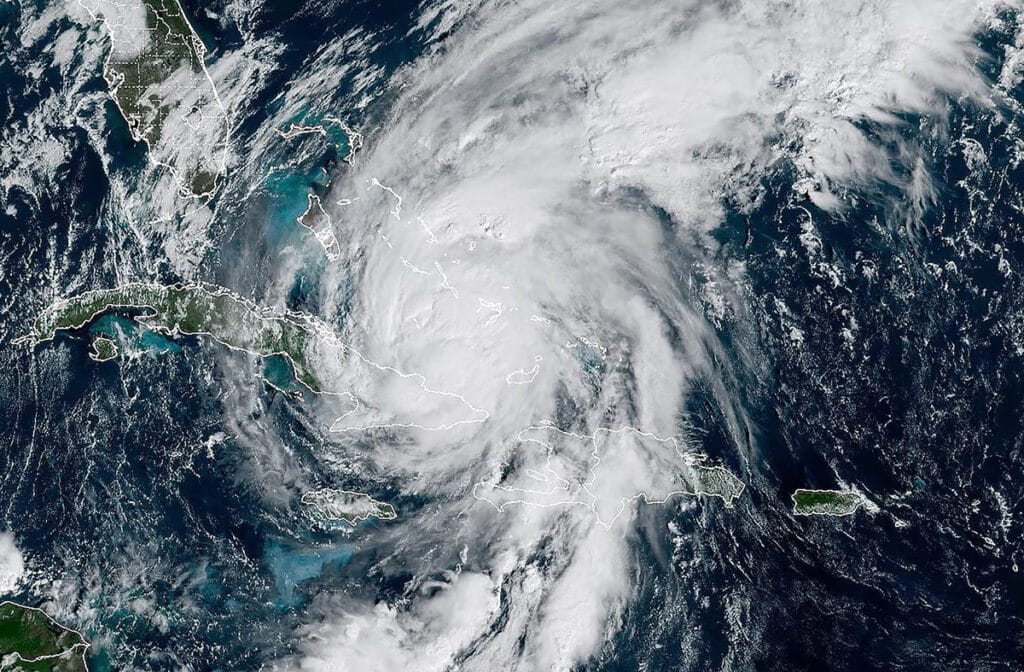
- Artificial intelligence-assisted forecasts used this year for the first time accurately predicted Hurricane Melissa’s northeast turn, giving people across Jamaica, Cuba, and the eastern Bahamas extra time to evacuate. Meanwhile, AI weather models trialed in India predicted an unusual monsoon season that traditional models missed; the information enabled farmers to adjust their planting.
- Japan became the first country with an earthquake detection system that covers entire subduction zones on the ocean floor. This direct, real-time monitoring adds 20 seconds of warning for earthquakes and 20 minutes for tsunamis.
- Africa opened its first space agency, to both coordinate national space programs and boost weather data collection. It also opened its first drug regulation agency, raising the possibility that the continent’s genetic diversity will be included in clinical research and that drug developers will be more likely to conduct clinical trials there.
Women’s & LGBTQ Rights
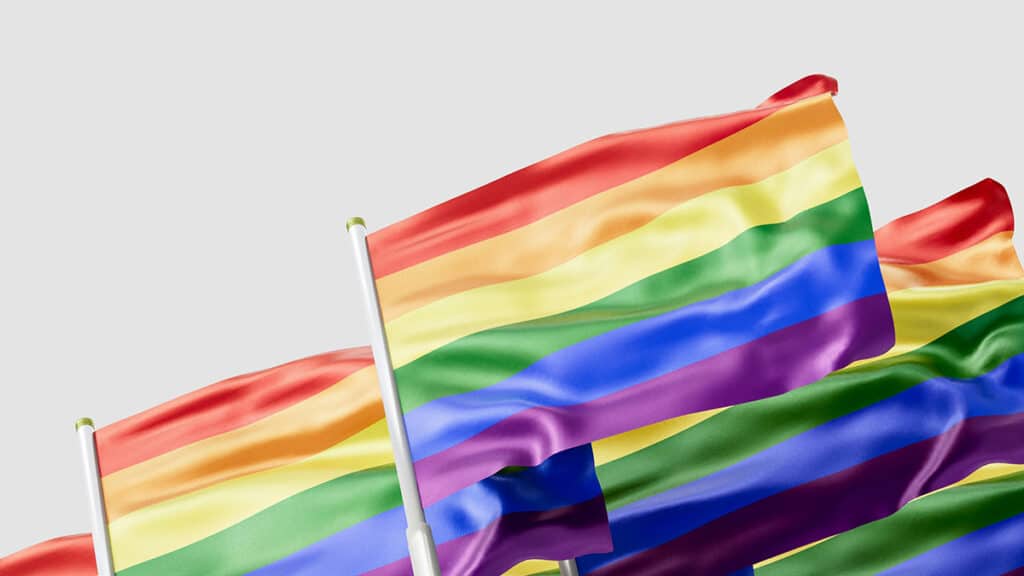
- Same-sex civil partnerships survived their final legal challenge in the Cayman Islands, after the governor legalized them in 2020. The decision might impact ongoing litigation in other British overseas territories like Turks and Caicos and the British Virgin Islands.
- Poland abolished its last remaining “LGBT Ideology Free” zone. These zones were established in recent years during the administration of the ruling Law and Justice party, which was voted out in 2024.
- Legalization of same-sex marriage took effect in Thailand and Liechtenstein.
- The kidnapping of girls for forced marriage became a crime in Kazakhstan. The new rules prohibit alyp qashu, a long-running tradition in which brides are abducted and subjected to physical and psychological abuse.
- Portugal, Kuwait, Bolivia, and Burkina Faso raised the minimum legal age of marriage to 18.
- St. Lucia decriminalized same-sex conduct, the fifth Caribbean country to do so.
- France, Poland, and Norway adopted a consent-based definition of rape.
- A Spanish court ruled that a single mother is entitled to the same amount of parental leave as a couple would be entitled to—32 weeks—“on the grounds that all babies should be treated the same, regardless of the composition of their families.”
Public Health
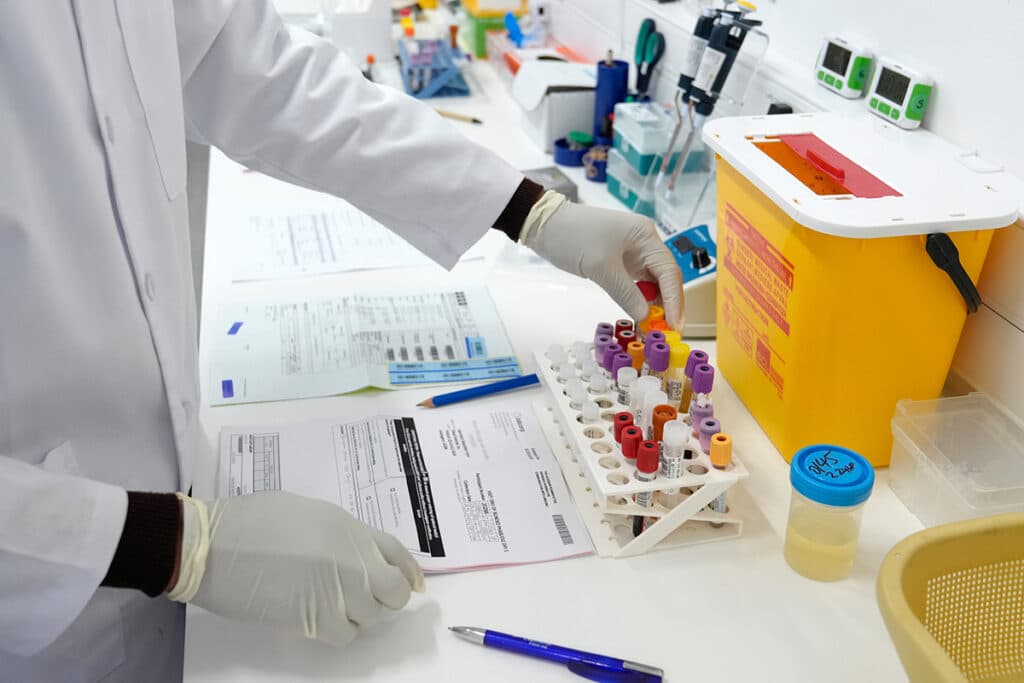
- Lenacapavir, an injectable that provides nearly perfect protection against HIV, was approved in the US in June. Five months later, Eswatini and Zambia had already received their first doses, the first time a new treatment has reached Africa in the year that it was approved in the US. Philanthropies also successfully struck a deal with lenacapavir’s producer to make it available in low- and middle-income countries for $40 per patient—the same cost as for the daily pills currently on the market.
- Georgia, Suriname, and Timor-Leste were certified malaria-free. Data from Cameroon, the first country to include a novel malaria vaccine in its routine immunizations, showed significant drops in hospitalizations and deaths of children under 5. And Swiss regulators approved the first malaria treatment specifically designed for babies and small children weighing less than 10 pounds.
- Mauritania, Papua New Guinea, Burundi, Senegal, Fiji, and Egypt all eliminated trachoma, a neglected tropical disease that causes blindness.
- Guinea and Kenya eliminated sleeping sickness, a parasitic disease spread by the tsetse fly.
- Cabo Verde, Mauritius, and Seychelles eliminated measles and rubella, the first sub-Saharan countries to do so.
- Ambitious targets to vaccinate 86 million girls against cervical cancer in the countries where incidence is highest were reached early this year, preventing an estimated 1.4 million deaths.
- The Maldives became the first country to institute a generational tobacco ban, which prohibits young people born on or after January 1, 2007, from smoking, buying, or selling tobacco.
- Brazil approved the world’s first single-dose vaccine for dengue fever, which will be particularly useful for populations living in remote areas.
Other
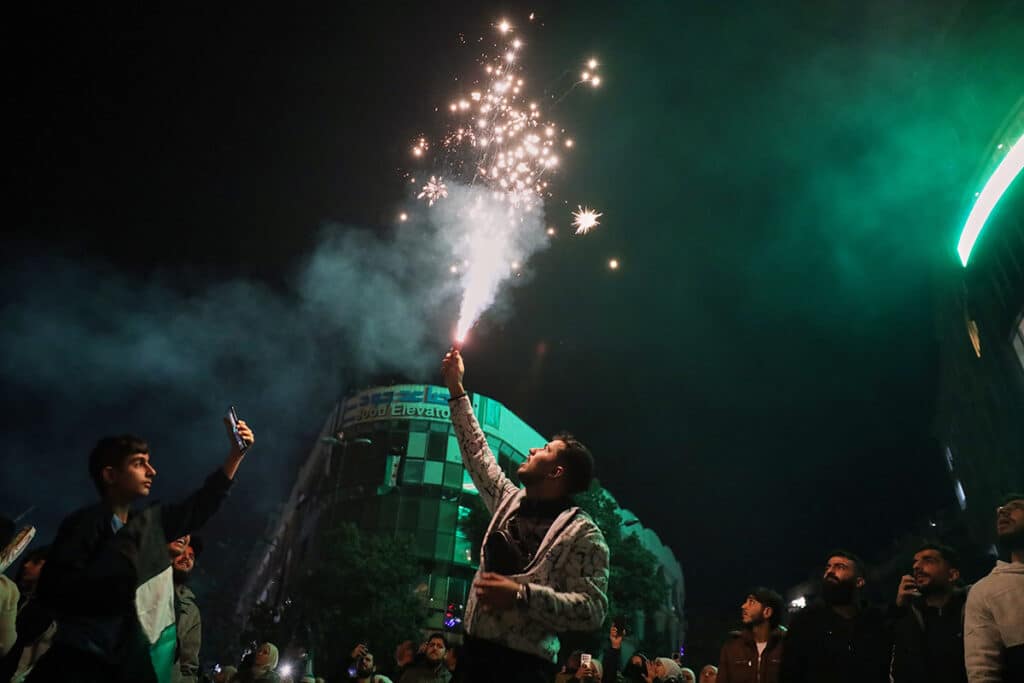
- One year has passed since the ouster of Syria’s former dictator, Bashar al-Assad. While the country’s path since has been bumpy, things are stabilizing.
- Countries as disparate as South Korea and Sweden banned the use of cell phones in school; the share of the world’s education systems with such bans or restrictions is more than 40%.
- Thailand and Czechia banned corporal punishment of children.
- The world’s second-largest fur producer, Poland, announced that it would phase out fur farms.
- After Austria suffered its first school mass shooting this summer, the government quickly passed a reform package that tightened the country’s relatively permissive gun laws.
- Despite tariff uncertainties, prospects for global economic growth look stable again, with trade remaining robust. Though long-term economic growth is not guaranteed, for now, the World Bank suggests that a “collective sigh of relief might be in order.”
- South Koreans, by impeaching their president after he declared martial law on flimsy pretenses, successfully avoided a would-be power grab and ensured the stability of their democracy.
- Brazilians, too, threw some points on the global democracy scoreboard when former president Jair Bolsonaro was convicted of plotting a coup attempt. He began his 27-year prison sentence in November.
Just for Fun

- Japan built the world’s first 3D-printed train station. Its parts took a week to print and reinforce with concrete, before a team assembled them in less than six hours.
- A foiled international cactus heist led to multiple world firsts, including the first time a plant—in this instance, an endangered Chilean species—has ever been repatriated.
- Vatican City has joined a very short list of countries powered entirely by renewables, a dream of the late Pope Francis. It is now run by a single photovoltaic roof on a Vatican-owned property on the outskirts of Rome.
- Scientists had never before spotted a colossal squid, which can grow up to 23 feet long, in its natural environment—unless two arm fragments found in 1925 in the belly of a sperm whale count. This year, however, a team of researchers in the South Atlantic Ocean caught a live one on camera. (It was a baby, but still.)
- Satellite imagery and machine learning were united to create a detailed 3D map of almost every building in the world—cool to look at, but cooler for urban planning, disaster risk monitoring, and even rooting out corruption.
- The world’s largest camera, located at the Vera C. Rubin Observatory in Chile, released its first images: millions of galaxies, Milky Way stars, and thousands of asteroids. The observatory will be snapping photos of the night sky repeatedly for the next decade, building an unprecedented inventory of the solar system.
[…] What Could Go Right? 50 Great Things That Happened in 2025 […]
[…] The Progress Network has compiled a list of 50 great things that happened around the world in 2025 (a few you may have seen here in GNT.) Categories include energy and environment, science and tech, Women’s and LGBTQ Rights, Public Health, Other, and Just for Fun (which is where I started.) Here’s their list. […]
[…] 50 Great Things That Happened in 2025 […]
[…] Read Full Article ⟶ […]
Although many of these are good, some are the opposite of progress.
School cellphone bans, for instance, are already known not to work, and are moral panic than anything actually helpful for kids. See: https://www.realclearinvestigations.com/articles/2025/05/06/sorry_wrong_numbers_early_stats_dont_support_school_cellphone_bans_1107975.html