Volcanoes are erupting in The Philippines, but on-fire Australia received some welcome rain. The Iran war cries have been called off and The Donald’s military powers are about to be hamstrung by the Senate. Meanwhile, his impeachment trial is starting, and we’re all on Twitter for a front-row seat.

What Could Go Right? We Haven’t Given Up on Gen Z
The much maligned generation has a lot going for it.

Emma Varvaloucas
This is our weekly newsletter, What Could Go Right? Sign up here to receive it in your inbox every Thursday at 5am ET. You can read past issues here.
We Haven’t Given Up on Gen Z
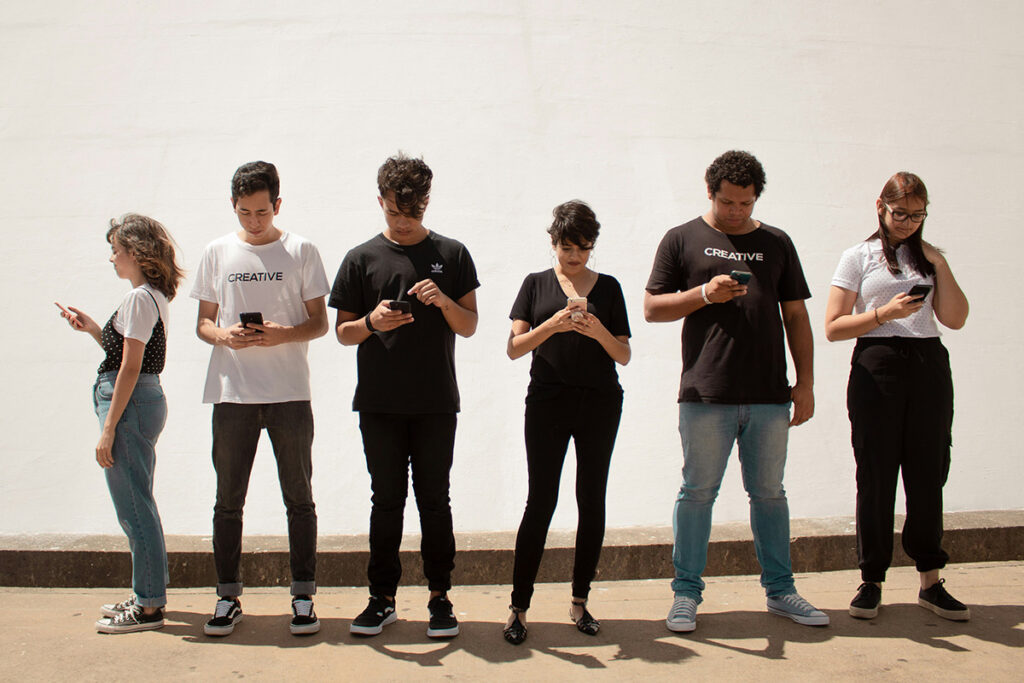
Mainstream media frets a lot about Gen Z. To be fair, so do Gen Z-ers. To hear, well, anyone tell it, Gen Z is dopamine-addled, mentally unwell, and so disappointed with this century’s leaders that they’ve detached themselves from the very idea of democracy.
None of this is wholly untrue. But in the spirit of The Progress Network, I wonder if we’re undervaluing Gen Z’s positive indicators and its resilience in the face of the cards it has been dealt.
To start, Gen Z is in some ways the healthiest generation America has ever seen. They may be lame party guests, but their lungs and livers will thank them later. Middle- and high-school students today smoke at far lower rates than previous generations, even accounting for vaping. They’re less likely to drink and use drugs. And they’re one of the demographic groups driving a recent fitness boom in the United States. This may be part of their overall prioritization of all things wellness, but it may also reflect an attempt to satisfy a need for community. Where are other humans? At the gym!
Ah, but what about their gremlin-like addiction to phones? It’s a serious challenge, for sure, as teens spend less time socializing and their mental health suffers. There does seem to be one significant unintended consequence of the isolation, however: Gen Z is “the least criminally prone generation in modern history,” writes James Tuttle, an assistant professor of criminology at the University of Montana. They burgle, commit larceny, rob, and steal cars at steeply lower rates than boomers, Gen X-ers, and millennials.
Existential psychologist (yes, it’s a thing) Clay Routledge writes that this cohort is reckoning with today’s digital-dominant world by looking to the analog past, aka the 1990s, to create a future they’d prefer to live in. That is, one with vinyl records, printed books, board games, and physical photo albums.
Gen Z also happens to be the most formally educated generation, with more college-goers and fewer high school dropouts. But many were also savvy enough to have chosen the trades over college, after recognizing that the college wage premium had begun to stagnate. (They’re not called the “toolbelt generation” for nothing.) We may begin to see a similar adjustment now that it is becoming clear in which professions entry-level jobs are being replaced by AI.
Women aged 25–34, a mix of Gen Z and millennials, are paid 95 cents for every dollar men are, making them the most equally compensated generation in American history, even as Gen Z-ers seek out jobs with good work-life balance.
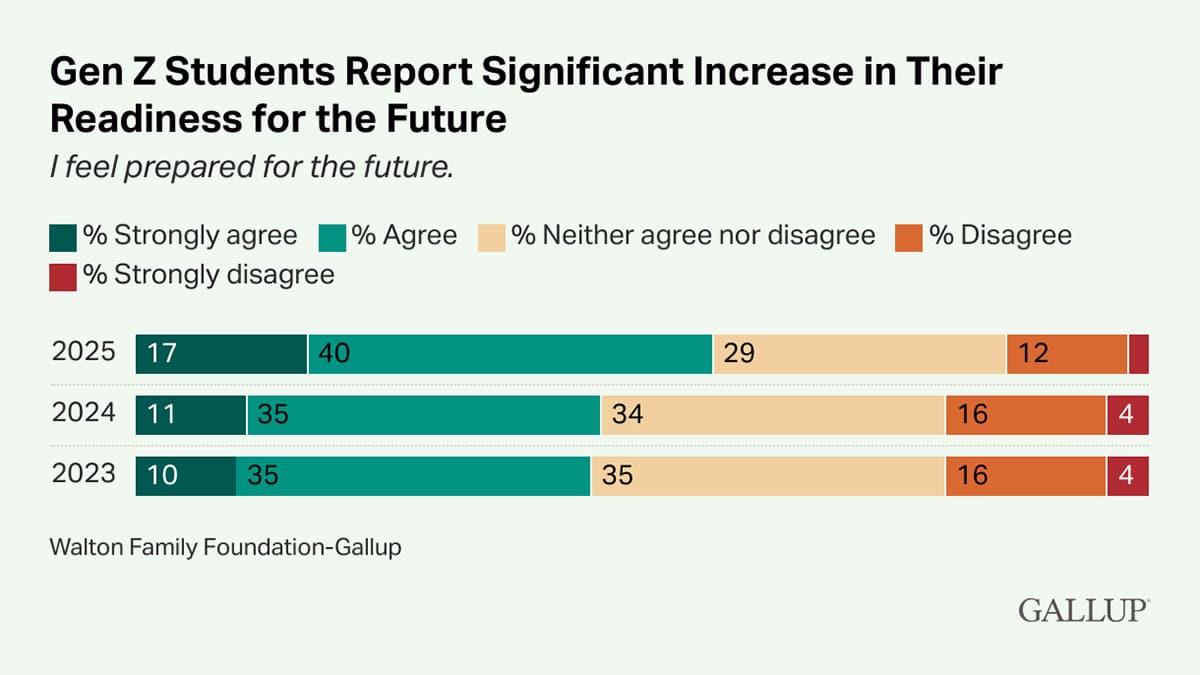
Middle- and high-school students are also now reporting that they’re more engaged in school and feel more prepared for their futures. Gallup just began to collect this data set three years ago, so analysis is limited, but my guess would be that this reflects a fading of the pandemic hangover. (It’s probably too early for this to have affected such data, but 35 states now restrict cell phone use in schools, and I wonder whether that will also swing trends in a positive direction.) Though there is no difference between genders, black Gen Z-ers feel the most confident about their futures.
Maybe it’s time to give Gen Z some more credit.
P.S. The marriage edition last week hit home with many readers! Thank you to everyone who wrote in to share their personal experiences, ask smart questions about the data, and add their two cents. There is no way to summarize the general opinion, as our readers come from across the political spectrum—a feature, not a bug.
P.P.S. Feeling your own deep feelings about Gen Z? Please do share!
What Could Go Right? S7 E25: Godfather of the New Right with Sam Tanenhaus
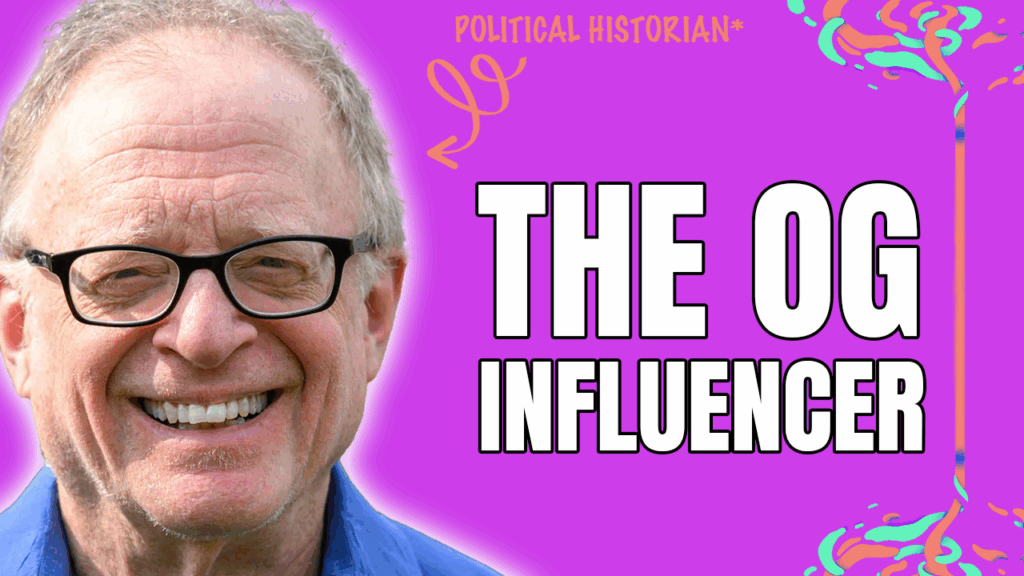
What can we learn from the history of the American Right? Zachary and Emma welcome Sam Tanenhaus, historian and author, whose most recent work is his biography Buckley: The Life and Revolution That Changed America. Sam shares insights from his deep dive into the career of conservative icon William F. Buckley Jr., the country’s “first intellectual entertainer.” He discusses how Buckley’s blend of intellect and charisma set the stage for the modern conservative movement, the influence of media in shaping political discourse, and the ways in which Buckley’s legacy continues to shape the Right. | Listen now
By the Numbers
8.5%: Indonesia’s poverty rate as of March, a 20-year low
50%: Drop in multidimensional poverty in Iraq since 2011
1: Number of solar-powered clinics in Zambia, the first step of an effort to bring reliable power to 250 remote health centers
Quick Hits
🛰️ AI can as much as double the warning time for dangerous solar flares, which can disrupt radio signals and even cause satellites or electrical grids to fail, as well as better predict their exact timing and strength of impact here on Earth.
💊 Those without access to contraception are likeliest to use the over-the-counter option now available in the US, says a new study. Generally uninsured, adolescent, and living in rural areas, more than a quarter hadn’t been using birth control at all.
☀️ Renewables are finally displacing coal in China, leading to an emissions plateau for the world’s biggest emitter. It could be a peak if policymakers land on certain choices.
🌍 First evidence of a real solar take-off in Africa: multiple countries are importing solar panels at record levels. Once installed, they would be able to generate large quantities of electricity.
📉 Mother-to-child HIV transmission in Botswana has fallen to about 1%, a stunning turnaround for a country whose president announced in 2001 that “We are threatened with extinction” due to the virus. Botswana has one of the world’s leading HIV elimination programs.
🧒 Child poverty is declining in Europe, despite pandemic-related setbacks. Between 2010 and 2024, the percentage of children at risk of poverty or social exclusion fell in 18 of 27 countries. Two saw no change.
📈 Billions more humans now have safely managed drinking water and sanitation. Between 2000 and 2024, a quarter of the world’s population gained access to contamination-free water on demand, and a third to toilets that safely dispose of human waste.
👀 What we’re watching: Clinical trial data was released last week that may one day lead to the first-ever federally approved psychedelic treatment for postpartum depression in the US.
💡 Editor’s pick: Don’t automate, collaborate: a better way to think about AI.
TPN Member Originals
(Who are our Members? Get to know them.)
- A summer afternoon in Washington, DC | Breaking the News | James Fallows
- Moms leaving the workforce is a warning sign, not a revolution | Slow Boring | Matthew Yglesias
- Ukraine diplomacy reveals how un-American Trump is | NYT ($) | Thomas L. Friedman
- The unlimited horizon, part 2 | The Roots of Progress | Jason Crawford
- I banned phones in my college classroom. Students loved it. | NYT ($) | Ezekiel J. Emanuel
- The rise of right-wing nihilism | NYT ($) | David Brooks
- Five Baha’i lessons for a happier life | The Atlantic ($) | Arthur C. Brooks
- Profiles in pluralism | The Catalyst | Jonathan Tepperman
- The Texas walkout and anti-fascist history | Lucid | Ruth Ben-Ghiat