
Volcanoes are erupting in The Philippines, but on-fire Australia received some welcome rain. The Iran war cries have been called off and The Donald’s military powers are about to be hamstrung by the Senate. Meanwhile, his impeachment trial is starting, and we’re all on Twitter for a front-row seat.

Shaking Up the Vatican
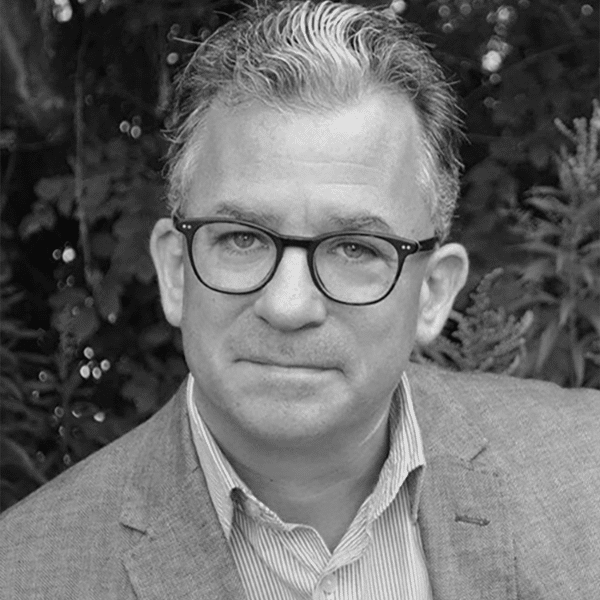
Featuring Austen Ivereigh
How can an American pope change the world? Zachary and Emma dive deep with renowned papal expert Austen Ivereigh, British journalist, acclaimed author, and historian, to discuss Pope Leo XIV, the first pope from the US. Austen shares insider insights into the pope’s whirlwind early months at the Vatican and unpacks the ideological tug-of-war between tradition and reform within the Catholic Church. Discover how Pope Leo plans to continue Pope Francis’ reform movement, how his leadership style contrasts that of fellow American Donald Trump, and what an American papacy could mean for billions of people.


Prefer to read? Check out the Audio Transcript
Although the transcription is largely accurate, in some cases it may be incomplete or inaccurate due to inaudible passages or transcription software errors.
Emma Varvaloucas: Can one papal leader really bridge all the divides that the church is currently facing?
Austen Ivereigh: I think the short answer is no. No pope on his own can do that. What a Pope can do though is enable a way of being church, which nowadays we call synodal, which allows the different parts of the church to live in fruitful and creative tension.
Zachary Karabell: What Could Go Right? I’m Zachary Karabell, founder of Progress Network, joined by Emma Varvaloucas, executive director of The Progress Network. And What Could Go Right? is our weekly podcast where we try to look at what is going right, or at least we try to look at what might go right, or at least we try to look at all the people in the world who are spending their waking days trying to make sure that things go right in a world where there’s plenty going wrong and we know there’s plenty going wrong, because that’s largely what we focus on rather than on what’s going right. And as we said, there’s a lot that’s going right. We just don’t focus on it.
And one thing we also don’t focus on enough is the role of religion and spirituality and faith in a world where we spend way too much time focusing on politics and maybe economics, but for the most part, we focus too much on politics and not enough on other stuff. Or we focus a little bit on celebrity, or we focus a little bit on cat videos. But other than that, we don’t focus enough on a lot of the other things that we ought to be focusing on a whole lot more, and religion and spirituality, one of them. And as I just said, there are 1.4 billion Catholics in the world, and lo and behold, we have a new pope.
So we thought this was an opportune time to look at what is going on, what is going right, what has gone right, what might go wrong, what will go right. What is the future of this incredibly important faith-based, non-governmental organization that impacts either directly, indirectly, intimately, less intimately, the lives of a fifth of the world’s population, fifth to a sixth of the world’s population. A whole lot of people.
So Emma, who are we gonna talk to today about that?
Emma Varvaloucas: We’re talking to Austen Ivereigh. He is a British journalist, a commentator and historian who specializes in the Catholic church and papal politics. So he really is the ultimate Vatican Insider. He’s written several books, some of them with the late Pope Francis.
He writes for leading Catholic journals around the world, and if you’re not tuned into Catholic or religious media, you might’ve seen him on the BBC, where he was the leading commentator in the events around Pope Francis’ funeral and the election of Pope Leo XIV.
So we’re here to talk to him about where the Catholic Church is going under the new leadership of Pope Leo, and just generally what happens when the Catholic Church meets modernity.
Zachary Karabell: Austen Ivereigh, it is such a pleasure to have you with us today. For those of you who don’t know, Austen and I have been long time friends since we were graduate students at Oxford in the 2010s. That’s a little inside joke about age and time.
Austen has become, much to his own surprise, and I’m sure occasional chagrin, one of the leading observers, commentators on the papacy, particularly the most recent Pope before the current pope, Pope Francis, and has written several books both about Pope Francis and one with Pope Francis, and has become uniquely situated to see the arc of the contemporary Catholic church.
And so, you know, as we talk today, it’s only been a few months since Cardinal Prevost became Pope Leo XIV and it’s probably too soon to make any huge conclusions, but if we’re going, if one were going to make a few conclusions about the beginning of this new papacy, what would they be?
Austen Ivereigh: Well Zach, it’s great to be with you. Emma, terrific.
Look, I’ve just come back from Rome and of course people I’m getting, I’m catching up with what people are saying about Leo and everybody’s very, very struck by two things. One is how easily he slipped into the role. Somebody said, you know, it’s as if he’s been pope for years. On the other hand, I can’t think of a papacy that has begun so quietly. He has made very little impression so far on the world’s media. He’s been very careful to stick to the script in almost everything he’s done. And I think I have journalist friends who, who wonder whether he’s, you know, cutting through.
In other words, his messages are, yeah, often very beautiful and powerful, but scripted and careful and therefore not getting noticed in the same way. So I’m very struck, of course, everybody’s very struck by the contrast with Pope Francis’ first days, first weeks, indeed, first months back in 2013 when almost everything he did and said was a firestorm, which set off of course, many, many headlines. So real contrast there, and what I understand from people who know Leo pretty well is that he’s, this is deliberate. He’s very deliberately starting off, very quietly. He’s listening, he’s watching, he’s taking advantage of the summer to, you know, have a bit of a break and to be able to reflect on the big decisions that he’s needs to take.
And I think that quiet start is a strategic move, and I think it’s very sensible. In September, we’re gonna start to get the big decisions being made on personnel. We’re, we’re expecting a major teaching document. The profile of this pope will soon emerge, but so far he seems to delight everybody while everybody’s saying, Well, we’re waiting to see who he is, what he really, what he’s really like.
Zachary Karabell: Separate from staffing. ’cause you just said the big decisions like what? What big decisions does any new pope or this new pope actually have to make?
Austen Ivereigh: Well, I think in the case of the Vatican, the case of the Pope, you know, policy personnel is policy because of course, the people that he picks to head what we now call dicasteries, those are the departments of the Roman Curia, the Roman Curia, and the Vatican being of course, the seat of the worldwide Catholic church.
Those people whom he appoints to head those dicasteries will very much tell us about the kind of direction he wants to take the church in. Of course, on his table, he has a number of decisions to make, partly rising from study groups and commissions that were set up, for example, during the synod, he’s already made some, one very big decision, which is to agree to the process of implementation of something called the Synod on Synodality, which I know is hard to explain and it sounds new, but really, it is a process that we’re in the middle of, in the Catholic church, of a big conversion of the way we do things, which is a lot about gathering, listening, consulting, dialoguing, discerning, and so on.
Now, this new way of being, which is in fact a recovery of a very old way of being, was seen by the Cardinals when they gathered to elect Francis’s successor as perhaps the key legacy, and therefore, the fact that they chose Leo, a man identified with this process was in itself significant. Leo has now confirmed that the process of for the next three years, outlined by Pope Francis will now continue. So in a sense, the direction, the basic kind of direction has been set, but there are decisions that need to be taken on, as I say, arising from these various commissions and study groups on question, question of women’s ministries, for example. On, you know, reform of seminaries and priesthood. There are a number of questions. And one big issue in his inbox, which is the finances. I mean, Vatican finances never quite goes away as a story, but they are running a major deficit at the moment. Everybody knows that big changes will have to be made.
And of course, in electing an American who’s considered to you know about things like money and be good on governance, and everybody’s expecting that, this will be a pope who pays very close attention to the bottom line. So they’ll be looking out for what changes are made there too.
Zachary Karabell: Oh no, no. He’s an American Pope. He’s perfectly comfortable with deficits.
Austen Ivereigh: Well, he should be, shouldn’t he? Major, major deficits. You’re quite right.
But if, but if I know,he’s considered to be somebody who takes a close interest in the details of things. I, I have a friend who works in communications. He said he was very struck. First thing Leo had to do, the first address he made, he went around, checking the microphones and sound levels. He wanted to know, you know, about the amplification. He’s a details man. As an Augustine new fryer, he apparently enjoyed taking engines apart and putting them back together again.
That’s the kind of pope we’ve got.
Emma Varvaloucas: Can you talk a little bit more Austen, about the church’s new way of being? I mean, is that having to do with some of the reforms that Francis put forth, that as you said before, were controversial depending on your position on them? Or is that something more broad when you talk about things like listening and taking what you hear into account?
Austen Ivereigh: Well, it is more broad because, I mean, I’m not sure what you mean by the reform. Of course, Francis had various reforms and various things, which as you say, were controversial in some quarters. I think the Synod on Synodality was much more about the way authority is exercised and decisions are made, and to take seriously the ideathat the people of God are agents. So it’s all about, is it, we’re the agency of ordinary Catholics.
So we’re moving away, to put this very simply, from a model which one might say dominated Catholicism for many hundreds of years, where I might say an even decades, which is really quite centralist, quite clerical, quite, you know, authoritarian to a model where as it were, decisions are made as a result of discernment and consultation by ordinary people in parishes. We’ve just been through this three year process, which began with the biggest hist history’s ever biggest consultation, I’ve been saying. Nobody’s contradicted me. I mean, literally across the world, very ordinary, ordinary Catholics were invited to gathering groups and reflect on how the church is and how it relates to itself and so on.
So these are changes, which are finally expressed in what’s called the final document last October, which now need to be implemented. And it’s about a conversion of way of being, of Asus calling for all kinds of councils, parish councils, and deanery councils, and diocesan councils, which will allow for a much greater participation of ordinary people in the life and mission of the church.
So that’s the, it’s a culture shift more than anything else. There are also, of course, issues that have been raised through this process, which people disagree about. And partly it’s about learning to live with very big differences between people and places because this is a global multipolar church, you know, in which the center of the church is no longer Europe, it’s Latin America, it’s Africa, it’s Asia, and how do you hold these together when culturally people see things very differently? Same gospel, same teaching, but the way it’s implemented, understood, and interpreted culturally enormously different. How do you hold these things together? Again, synodality is about learning to do that.
Zachary Karabell: You were part of this process in Rome as the kind of the next level up. I’m curious though, how do you reconcile the small deed democratization of the church, which this really is, with what remains a hierarchical legacy of the Roman Empire. I mean, the structure of the church kind of mirrors, ecclesiastically, the structure of empires in terms of provinces, regions, the finances, right? Each kind of ties upward.
So you have this very kind of rigid, hierarchical structure, and I’m not, I’m not actually even using that pejoratively. I’m just using it descriptively. How does democratization work? Or can it, is it a graph that will always be problematic or, I don’t know, I’m just wondering like, how does it feel when you’re in that?
Austen Ivereigh: Yeah, it’s a great question. I mean, the first point is you are absolutely right that so many of the structures and or particularly authority structures of the church, as well as other structurals, geographical, you are right, are the product of history and that history often very tied up, of course with, with as you say, empires and monarchies and so on.
So, so you go to Rome and the Vatican and you’ll see things, you know, that have names or I mean, one thinks of the College of Cardinals, for example, in a sense is a kind of Roman senate really, you know, that’s how it emerged anyway. I start by agreeing with your premise, but I don’t think it’s fair to say that these structures are simply borrowed from historical and temporal structures because they have evolved also to meet the needs of the church. And democracy is not a word that I think we can use about synodality. I know it might look like it from the outside, but democracy is a system whereby we resolve our differences through dialogue, debate, and finally votes. In other words, votes, settle differences.
Now some churches do have a parliamentary democratic model. Here in England, the Church of England has something called the General Synod, which is literally a parliament that was created by an act of the British Parliament, where indeed things, laws passed by being, you know, getting majorities in all three houses. So what happens in the Church of England is you have obviously big debates over major questions. And then finally, you know, there’s a big debate, big vote in the synod. One side wins, the other side loses.
That’s not the Catholic understanding of synodality. Synodality is much more the search for consensus over time. And so that changes as it were followed from the emergence of that consensus. Lots of debate, yes, lots of disagreement, but, and there are votes as well, but they’re indicative, not deliberative. And the people that make the decisions in the church continue to be even with a synodal church, the bishops, and finally the pope.
Now the distinction that’s made by people cleverer than me. And things like Canon laws, they make a distinction between decision making and decision taking. The decision takers remain the same, bishops, pope, as there were the people at the top. But the idea in a synodal church is that they’re not making those decisions arbitrarily, simply, you know, talking to a couple of people. But rather they’re making, they’re taking decisions after processes of decision making that involve large numbers of people and processes of dialogue and discernment from which consensus emerges. And they’re, of course, they can reject that consensus, but they would need a pretty good reason to do so. So I would say in relation to democracy I mean, it’s an interesting question because in many ways I think you can argue that democracy depends on certain virtues and habits and mindsets which are about, you know, as it were, civic coexistence. And we might say that democracy right now across the western world is in deep trouble because it’s lost those and synodality is teaching those.
So in other words, one might say that synodality is upstream of democracy. Democracy, after all, emerges in the western world from a culture which is deeply conditioned by these by the church and by chapter meetings and so on. So the two are related, but what’s going on in the synod is not democratization, but rather the recovery of a way of being, which was very proper to the first centuries of the church. But then the church later lost when it perhaps got into bed too much with power.
Emma Varvaloucas: So as someone completely outside of the Catholic Church and this transition is, first I’ve heard of it totally new to me. What is spurring it and when did it start? What are the roots of this big change?
Austen Ivereigh: Terrific question. So I would say this, there wouldn’t have been a synod on synodality. It wouldn’t have been, in other words, a process to recover synodality, were it not for Pope Francis, who, as you know, is an Argentinian pope. But then again, there wouldn’t have been a Pope Francis proposing it had there not been a Latin American church.
So he’s the product in the sense of the Latin American church, and it’s the Latin American church that rediscovered synodality in the world. So the Latin American church has been a leader in this for some decades, and particularly they had a big meeting in 2007, of which Pope Francis, then Cardinal Bergoglio wasa major player in which, in fact, they used very much synodal processes and the conclusions that came from it were very much the inspiration for the pontificate.
So where does it come from? It comes from the Latin American church’s reception of the Second Vatican Council, and particular habits and practices that were developed in that church in particular. Why was it necessary to do under Francis and why was as it, why now as it were? I think you have to look at the clerical sex abuse crisis. You have to look at the crisis of our institutions, not just by the way in the Catholic Church, but you know, across the board, the crisis of institutions, the way institutions have become remote from people’s concerns, hence the rise of populism as our, I think it’s part of the broader crisis of institutions, but the particular crisis in the Catholic Church that the clerical sex abuse crisis exposed, which was a sort of unaccountable, remote, sometimes abusive authority.
Zachary Karabell: We have now clearly a continuation. At least that’s what it feels like if you’re not in the church, meaning that Pope Leo is in the same vein as Pope Francis in a way that Pope Francis clearly was not in the same vein as Pope Benedict. That being said, there are, at least it appears from the outside, a not inconsiderable portion of the Catholic clerical hierarchy that never really embraced the ethos of Francis is unlikely to be overly enthusiastic about a continuation of that with Leo, much preferred the tenor of John Paul. And I know Austen, you are fond and accurately so of pointing out that many of the labels that people affix to these various tendencies within the church are inaccurate. People are always trying to put the word conservative or liberal. They’re trying to essentially place a political parliamentarian, left, right on the church in a way that I think you often say is not really the appropriate way to look at it. Nonetheless, there’s something going on there.
You know, there are clearly, there are clearly voices that are different, distinct from, and don’t like the voices of Francis and Leo. So how is that playing out? How would you describe those camps or different modalities?
Austen Ivereigh: I mean, of course there is such a thing as, you know, we can call it conservative versus liberal or traditional versus progressive. These, these groups, these wings exist within the church as they exist in society. What, what I, I resist is that the idea that, if you like, the church is divided between these two.
And in fact, what you saw at the conclave was something very interesting. I was there throughout the papal transition, of course, doing lots of interviews and so on, and commentating for the BBC, and I can’t tell you how many times I was asked the question, you know, will the next Pope be a liberal like Francis or a conservative?
And I had to point out, you know, that, that actually these labels don’t work very well, particularly with popes. I mean, among those who had, who were most disappointed with Francis were what might call more liberal Catholics, you know, who felt that he promised much but didn’t deliver on things that they expected their own, as it were, menu of reforms they felt he didn’t deliver on.
So, so the opposite, that’s the other thing. I mean, the opposition to the pope of course came from, from both, but also, and I think many of them had seen the film Conclave, you know, the journalists arriving in Rome. It certainly said that so many of the cardinals, I can’t tell you how many African and Asian cardinals arrived in Rome saying, oh, we watched Conclave on the flight on the way over. Now we know how it works. And I was thinking, oh, good, you know, ’cause most of, of course, hadn’t, hadn’t been in a conclave before. But Conclave is, I mean, it’s a great movie. I enjoyed it enormously. But yeah, this idea that it’s a battle between these two factions, actually the cardinals in the conclave weren’t sitting around debating doctrine, you know, between left and right.
Where they were really, and, and I think a lot of the central differences in the church come down to, as it were, how the church relates to the world. It’s the style of being church, if I can use that, perhaps more banal term. It’s the way the church relates. In other words, how you kind of view, view, modernity, evangelization, all these questions, that’s where you start to get a lot of differences. Some of which of course are cultural, many of which have to do with I think particular kind of psychologies and so on. You started off by saying that many of the clergy resisted Francis. Yes, that’s certainly true. And among his most vociferous opponents were clergy, plenty of laity and religious as well. I would say that though, that Francis was an enormously popular pope across the church, and that’s why when the Cardinals gathered in Rome and they witnessed his funeral and the huge outpouring of affection for him, they basically chose a man who would, you know, continue in that line. So. It’s about, I would say that you are dealing always with minorities, pretty small minorities who have their own very strong agendas and want the Pope to follow those agendas.
I say my experience of going to sort of around the world, speaking to ordinary Catholics, speaking in parish and so on, ordinary people basically loved Francis and so did most of their priests.
Emma Varvaloucas: So on the question of, you know, what, what the Cardinals were looking for in this latest election, you know, there’s definitely that tendency for those of us in the United States, and especially because Pope Leo was the first American pope, right, to place him, place our hopes in him as a foil to Donald Trump. Is that just us being, you know, egoistic?
That that’s something that the Cardinals would be considering in this moment or is there, is there a, there there?
Austen Ivereigh: Yeah, no, it’s a great question. Of course, the US media, who, I mean the US media anyway dominate the media, as you know, worldwide. Of course, yeah, when they arrive in Rome, everybody, it was very obvious during the papal transition, all the big networks were there and they were prepared, of course, to go back the day after the conclave because they would’ve assumed that the Cardinals would’ve elected some Italian nobody had have ever heard of. And instead they all had to go rebook their hotels. ’cause wow, we have the first American pope because that was then the big question on everybody’s mind. Well, here we have the Cardinals essentially responding to Trump.
But I have to say no. I mean, I’ve spoken to many, many Cardinals about the conclave and they’re like, look, first of all, you know, I dunno how long Trump’s gonna be around for, but you know, he’s only got a few years left of his term. Leo’s gonna be around for probably for 15 years. I mean, he’s a spring chicken in papal terms, right? He’s 69. Francis was 76, Benedict was 78. So he, he’s gonna have barring some, some tragedy along pontificate, the church doesn’t think, even though of course the collapse of the world order, the rise of Trump. I mean, everything that’s been happening in America the last few months while Francis was in hospital of course was on their minds.
But, you know, the US is just one part of the world, only 5% of the world’s Catholics and, and remember that they’re bringing to the table all kinds of other concerns, however, that Sam, you’re asking if there’s a there there, there is a, there there. And the there is the fact that here you have an American who’s a very different kind of American and who exerts authority and power in a very, very different way. And just as I started off by describing his quietness, you know, he’s a man of great peace and serenity. He listens. You know, he’s famous for kind of convening people and forging consensus and making decisions without anybody feeling bruised. Well, you know, let’s think of who might be in contrast to that in terms of the way they exercise authority.
And so I think people, what I suppose what I’m really trying to say is I think we have here a papacy that could be very profoundly important in a world in which the main superpower, you know, is going in the direction that it’s going and I think that could be a major fruit of it, but it’s not why they elected him.
Emma Varvaloucas: Given his quietness and what we were talking about in the beginning of the conversation about how he has been deliberately quiet since the election, you think there’s a will there to be set up as a foil against Donald Trump? Like coming from Pope Leo, I mean.
Austen Ivereigh: No, I don’t think he’s, you know, he’s waking up each morning saying, how can I act today which is in complete contrast with Trump,I think it comes naturally to him. You know.
Zachary Karabell: God, I hope not.
Emma Varvaloucas: Right. But, but is he willing to kind of make pointed declaration, shall we say?
Austen Ivereigh: I mean, the truth is no, so far. I mean, aren’t you struck by the fact that actually on many, now he has spoken very forcibly on migration. He’s spoken very forcibly. I mean, we know he holds a series of views, which are pretty antithetical to Trump, but he certainly has not done, you know, what happened as you know, famously in the last weeks of the Francis Papacy, which was, you know, a public contradiction of JD Vance from the Vatican, which by the way, Prevost as Cardinal retweeted and was very supportive of. So again, we know where he stands. But no, I think, I think I, and my sense is that he will avoid confrontation. I mean, what, what’s the point, you know, to have some kind of war of words at the moment with Trump, and why, why jointhat mad noise?
You know, I think his concern is actually to help to build a new world order, if I can put it like that. And I know that’s a big aim, but I mean, if you think about his first words from the balcony were about peace, and he’s bringing, of course, the peace that Christ came to give, the peace that comes from being in relationship with God, with each other, with creation and so on.
The Vatican is also a player on the world stage and just as after the second World War, the church was I think a pretty key player in constructing the post-World order, one can see now the search again for a kind of a multilateral ethic that is capable of dealing with some of the challenges our world faces now that in a way Trump has, America has renounced that role under Trump, the search is on for that, that world order in a sense, if we’re gonna have one. I don’t know, if we don’t have one, we know we’re headed for war and for anarchy, and I think everybody knows that, and they’re looking to Rome because you know, Rome is, it is a global institution. It, it has got this extraordinary role. It’s unique in the world stage of having that kind of global perspective as well as, of course a network of diplomats and so on, and relationships with countries and, and so on.
So I think his concern would be very patiently to build the basis of collaboration and mutual understanding which will be necessary for a new world order.
Zachary Karabell: Interesting. Let’s delve into the difference between the church as an institution staffed by clergy with clerical offices that has a certain amount of money, and 1.4 billion Catholics who may or may not go to church and whose interaction with the church may be you get married, you baptize your child, the local priest delivers a eulogy to loved ones. Maybe once in a blue moon you go to a sermon and confess, although maybe you never do, you go to the Christmas pageant ’cause you’ve got kids and the local church has a manger and a show.
So what is the relationship between Catholics and the Catholic church? Because on the one hand, the church can do its own thing the way you talk about as an institutional position in the world. That’s unique, right? There’s no other comparable nonpolitical, non-governmental institution in the world. I mean, there are several billion Muslims, but there’s no, you know, there’s no Muslim church that governs the business. There’s no Hindu association that is, that represents. There’s a, there’s a patriarch of various Eastern Orthodox churches, but each one of those is somewhat atomized and by no means has the global reach.
But again, what’s the relationship between the believers? Maybe they’re not even believers, they’re just Catholics who have some relationship with the church and the church.
Austen Ivereigh: The picture you are painting, andI’m very interested by the picture you’re painting, is of what we, we call sort of cultural Catholicism, or I suppose you could call it kind of neo Christendom. So the idea that you, you have an identity as a Catholic, you know, one might say the same would be true for many Jews, many Muslims and so on, but you kind of inherit this faith almost like a culture which you are handed at birth and you grow up within those institutions.
As I’m, as I was hearing your description of it, it sounded to me very old fashioned, and that’s because I’m very sort of aware at the moment that in the Catholic Church, and I’m not gonna speak for any other religion here. In the Catholic Church, we are living through the collapse of that model, and it’s very, very dramatic. I mean, the loss of, the fall collapse in congregation, sacramental participation, all those traditional indications is very, very dramatic and has accelerated particularly in the last few years. COVID, of course, accelerated it as well. I’ll just give you, I’ll throw out this statistic whether or not it’s helpful or not, but I, I live in a diocese called Cardiff and Menevia here in England and Wales. We’ve lost a third of our congregation since COVID, mostly older people who’ve been going to, you know, church all their lives. And then what happened to COVID, the churches were shut and they kind of went, you know what, we don’t have to go back. And when they’re asked, and I’m not talking about my diocese here, but various studies have been made, you know, where they go to ask people, well, why aren’t you coming back?
And they say, well, we, we didn’t think we’d be missed. And I find that very telling you see, ’cause in a sense what they’re saying is we were going out of habit and practice, but ultimately we, we, you know, but we weren’t a community.
So I think we’re dealing with the collapse of that. But, and what we’re also seeing, and this is what’s so interesting, is we’re beginning to see the rise of a new model. And that new model, I mean, just again, in the last. Four, five years. Something like has been a 40, 50% increase across Europe in cathedrals at Easter, of people becoming Catholic, really quite dramatic.
Now, and they’re coming from a place of no faith. They’re the people that sociologists refer to as the seekers and the searchers, right? Who are, who are, as it were, they’ve experienced modernity and they’re on a journey and that. Now they, usually we’ll describe, first of all, encountering the church not by walking through a church door, but actually by knowing a person, a Catholic, you know, somebody who they met on social media.
By the way, this is also true of evangelicals. It’s true of other Christian faiths, but I know about the Catholic case. We are moving now to a world which, and this Pope Francis really understood this really well. The Latin American church understood this.
They called it the change of era. The transmission belts of faith are changing. Faith is no longer inherited through institutions and habit and family and culture, but rather is the fruit of an encounter, an experience. Now, you know, forgive me if I sound here, kind of more, more religious, but the encounter with Jesus Christ, the encounter with the mercy of God. So it’s an experience that they’ve had, which has, as it were, opened their mind to wanting to explore this journey of faith.
Now this feels, now this new, and these of course are much younger people as well. This feels to me much more like the early church, you know, where the church was not supported by law and culture and institutions. And again, I think this is the transition we are moving through and what, this is why synodality is so important for the church to learn this, as it were, to evangelize this culture. We’ve got to change, we’ve got to be, become a place, a community where people, you know, see that people are actually living out their faith that the way they are, that their humility, their kindness, their charity, their patience, you know, these things are very striking in a culture dominated by, you know, technology and sort of lust to dominate and, and transactional relationships.
This way of being, habitus, they called it in the early church, paciencia, is very, very striking. I think this is what we’re, we’re moving from one model to another, and that’s what makes this particular moment very exciting.
Emma Varvaloucas: Presumably this new model and these sort of, I don’t know what to call ’em, experience led converts.
Austen Ivereigh: That’s a good, that’s very good, good phrase. Very, very good way.
Emma Varvaloucas: Something like that. That’s the basis by which you reconcile the, the picture of the church as sort of like re-embedded in world craft with the sort of older picture that Zachary’s talking about, right?
Because I can’t see how the church could be in the center of making a new world order if it was also in a slow decline, no?
Austen Ivereigh: Okay, so first of all, I mean the question of decline again, the world is, the church is a very big place. I mean, I remember Zachary and I used to, I used to say America this and America that, and Zach always would say America’s a very big place. That’s true of California, but it’s not true of New York.
And I say that about the Catholic Church. Yes, the decline is very dramatic in the traditional Christian heartlands of the West, the decline of that model. But actually look at Asia, Latin America, you see a young church in massive expansion. And the overall population is rising. The Catholic population has been rising steadily for many, many years.
So again, you know, when we talk about the church, what do we mean? You know, where do we mean? But, I think what’s very striking, if you look at the young church, and, and by the way, I’m not holding up, you know, the church in Africa and Asia as any kind of model, ’cause there are huge problems with that church. I mean, they, they have many things to learn, you know, from the West and so on. But what’s so striking about them is that they’re not clerical because they have a very low proportion of priests to people just simply because they don’t have the resources to, to maintain, you know, training and maintaining a priesthood. this is particularly true of Latin America, which is one of the reasons why they’re much more synodal and what we call pastoral.
You know, there’s much more sort of popular engagement. The church is with the people in a way, it’s not a haughty institution in the way that it often is in the West. So you can see that the future of the church lies there. But also within the West, you can also see this new model emerging. But I don’t wanna exaggerate because of course cultural Catholicism remains and our institutions remain very important. And in America, I’m always very struck whenever I’m there, you know, visiting institutions, Catholic institutions, I mean, you know, boy, do you have some immensely successful, influential institutions.
My question though is whether the really, that they particularly evangelize anymore. I think there are two churches which are very rich. One is America, the other is Germany. One ends up being quite conservative. The other very, very kind of liberal. But in a way, the tail wags the dog in both of those churches, that often they’re very preoccupied with how to maintain. Institutions and a certain kind of reputation. This is a big generalization here, but I think those places often will struggle much more than the church in poorer places to embrace this way of being, which is, which we would recognize as much more typical of the early church, which is the future.
Zachary Karabell: If you talk about the church to a lot of millennial, Gen Z, the thing that has been most palpable for that cohort or those cohorts has been the, the sexual scandals, the scandals of priests and sexual abuse over the course of decades of the 20th century. I mean, presumably over centuries, but you know, there are things that human beings have done historically that only recently became explicitly unacceptable. So we’ll leave the history of whatever side, one, and we don’t know it, and two, it’s probably not as relevant, but that has become indelibly associated with the Catholic Church in the minds of a large swath of people, definitely throughout Europe, definitely throughout the Americas.
I don’t think it’s just the United States. I think it’s also the Latin church, I mean, you know that better than anyone. Are we, at the end of that period, have the skeletons been expunged or exhumed or whatever? Or is there still more, is there both more reckoning and more trust to rebuild? And if so, how?
And is that being done? And will it be done?
Austen Ivereigh: I would say that the worst of the crisis is over in the epicenter of the crisis, which has been the, you know, the Catholic Heartlands of the West, where, where the crisis in a sense broke and where it’s been greatest. I think there’s a lot of denial in developing countries, and I think that’s where Francis made a huge effort in various initiatives he did to bring people together in Rome, get them to listen to abuse survivors and to wake up to the fact that this is, yeah, abuse happens whenever people feel entitled. You know, and in the Catholic Church it’s been a problem of clericalism, but in the, in the wide world, it’s a problem of, you know, celebrities, you think of the Me Too movement and so on. So it, it’s a mentality and a sense of entitlement and a kind of corruption, a spiritual corruption, which can happen whenever authority, you know, exalts itself above people.
And I think to that extent, we are on a journey of conversion of authority in the church, and I think the clerical sex abuse crisis won’t go away, you know, until in a sense we’ve been through that. There’s also the simple fact that in many countries, as it, again, this is much more typical now of developing countries than the West where bishops, for example, are, are setting up commissions that are going through files going back decades and discovering things. In that sense, this thing keeps coming in waves because it’s the church itself that’s going through its own files. One of reasons why the abuse crisis was so great in the Catholic Church is the one thing the church does is it keeps records, meticulous records.
And you know, that’s why if you think, you know, the Boston crisis, I mean it was, it was the result of going through those files. Yeah. It was all there in the files. And there aren’t many institutions which keeps such records as, as the church keeps. And I think, so I think to that extent, wherever we have files, you know, lying there that haven’t been gone through, we are gonna continue to hear about this.
Zachary Karabell: Perhaps they shouldn’t have kept such good records.
Austen Ivereigh: That’s the thing, isn’t it? The church actually has always been very kind of well organized, which is part, perhaps you might see part of its problem. But I think in most Western countries, I think the lesson has been learned and the lesson is that authority, we can never allow unaccountable, clerical authority.
And I think that now that we have that awareness, it’s a bit like with Me Too. Once you’ve got the awareness in a way, you know, abuse can only be perpetrated, you know, in silence. And once that silence goes, and the light is shone in a way, you, you’ll continue to have abuse. But what you can’t have again is that kind of coverup.
Emma Varvaloucas: Austen, I’m just really curious, you know, as someone outside of the Catholic Church, like the things that I’m aware of that the Catholic Church debates are like blessings on LGBTQ couples, like women in the clergy, things like that, and not that those are not interesting and important topics, but I’m also kind of curious like someone like way on the inside like you, what’s like a really, really wonky topic that the Catholic Church is debating right now that most of us have no idea?
Austen Ivereigh: Okay. Here’s one that, I mean, I’m not sure it’s a major divisive issue, but there’s a proposal at the moment that there should be a special feast for creation, so a special liturgical feast where, which as it were, honors God the creator.
Now, you would’ve thought, this is a fairly straightforward matter, but creating a new feast in the Catholic church is a very, very big deal. There are only certain ones in the year, and then the whole kind of theology who it is that you’re. It’s a very, very interesting discussion. Another one actually would be the training of Vatican diplomats. They’re called nuncios. They represent the pope in different countries and they are the ones who advise on the appointment of bishops and, you know, their whole training, you know, should they be, in fact, Francis now has, has ordered the nuncios in training, go to a poor parish in Africa for a year so they kind of experience real life, ’cause they’re a bit like the, in France, you know, the politicians will go to this very posh academy and they’re kind of, they, they’re nev, they’re never quite part of the people. And that’s very much a view at the moment in the Catholic church that, you know, that’s gonna, diplomats should be much more like ordinary parish priests.
So there are two nerdy, nerdy things going on at the moment.
Zachary Karabell: I’ve always wanted to be a papal nuncio. That, like, that’s been my layman goal, not even being a Catholic. I thought that would be like the coolest title to carry around the world.
Austen Ivereigh: It’s a bit hard to have on your bucket list if you’re not a Catholic and.
Zachary Karabell: I mean, I think that ship may have sailed.
Austen Ivereigh: And you are married and you’re a man of a certain age, but you know.
Zachary Karabell: But you know.
Austen Ivereigh: Keep dreaming, keep dreaming.
Zachary Karabell: Life is long and things, weird things happen. So I will just keep that flame alive. As we wrap up, what are you most worried about over the next five plus years of the church and its evolution and what are you most hopeful about?
Austen Ivereigh: I suppose my, my biggest fear would be an unraveling of the great achievement of the Francis Pontificate, which was to foreground and demonstrate and perform the mercy of God. The amazing truth of the gospel is God, you know, so loving the world that he, that he becomes man, that we can enter into a relationship with God, and that God is beyond us. God is always a surprise that the church is not a sort of an institution there to hand down, you know, laws and rules and morals, but rather to walk with people in their suffering to allow them to experience the mercy of God.
It doesn’t sound very dramatic, but it is actually a kind of a major reset. It’s a recovery of of the, of the essential, what we call the essential proclamation. Francis had such a genius for doing that himself. And, and you know, during the papal transition, after the, particularly in the days leading up to the funeral where you could imagine, ’cause I had a relationship with him, you know, so many people wanted to know, you know, what he was like and what impact he had had on me and on others.
And I, and actually I said, well, I think the impact he had on me was the impact that he had on others, in others whenever I was with him. He made me feel seen and recognized and understood. He, he, he had this capacity to awaken people’s sense of their own dignity, which I think is what Jesus did. So the way he related to people is the way he wanted the church to relate to the world.
I want to see, and I’m confident that under Leo we will see that this will be embedded in the church that this will take life. My fear, of course, is that that will be reversed, that there will be too many people who perhaps frightened by things that are happening in the world want to retreat into some kind of bunker and develop a purity cult, you know, which is, which is where the church goes wrong.
So those will be my two hopes, my fears. But I’m pretty confident in Leo, you know, he’s, he’s the product, he’s an American, of course, speaks with the Chicago accent, but he’s the fruit of the Latin American church. He’s a, he’s a Peruvian pastor. And the Peruvian schools went mad when he was elected and they said, this is of course the second Latin American pope, not the first American pope. And I, so much of him reminds me of the Latin American church. I don’t think that there’s now a reverse gear.
And one more thing, I mean, the church is a global institution. I don’t think. I would’ve been disappointed in many ways if a European had come out onto the balcony of St. Peter. What we have now is a global church and popes that really understand the global multipolar reality of the church.
So important in an era of globalization that we have somebody you know, who really can speak from and to the whole world, and particularly can speak from the developing world in a world in which the developing world is increasingly gonna be hung out to dry.
Zachary Karabell: I wanna thank you for your thoughts today, Austen, for those of you who haven’t followed Austen Ivereigh’s work, there are several books. They’re on Amazon. Whether or not you like Amazon, they are purchasable on Amazon. He also continues to use the platform formerly known as Twitter to great effect, which is increasingly a rare commodity on the new world of X.
Austen Ivereigh: I tried moving to a, to a softer platform, but I, I missed the argy-bargy. I missed the, I, I missed the rude, I missed the, missed the rudeness of X. So I, I’ve, I’ve stayed on.
Zachary Karabell: Well, there’s, there’s plenty of that on X.
Emma Varvaloucas: You’re in the right place.
Zachary Karabell: You can follow Austen for his consistent insights and it’ll be interesting to see how this trajectory plays out. Again, you’re unusually placed to figure it out and to see it, so we will all be listening to your guidance and insight, and I hope your hopes prove to be the hopes that guide the church and the world.
Austen Ivereigh: It’s been a joy to be with you.
Thanks so much, Zach. Thank you, Emma.
Emma Varvaloucas: Thank you, Austen.
So I really appreciated that discussion. It’s really not fashionable to say, but as a quasi-religious person myself although not a Catholic, I always appreciate talking to religious people because they do seem to have a very serene, wise presence. Maybe I’m just projecting that upon them, but they really do seem like kind people a lot of the time, despite some of the reputations or stereotypes.
And I also really enjoyed the texture that he provided about what young people are doing around the world, insofar as finding meaning through religion. I think there’s a lot of talk in the West about like traditional meaning making structures are gone. You know, religious in decline, family is in decline, blah, blah, blah.
But the global picture is a little bit more complicated than that. And in fact, if things like the church can adapt themselves to the needs of the people, then maybe there really is a place for religion in the future.
Zachary Karabell: One thing that’s striking and you got at this, Emma, in asking the wonky conversation is, we spent a lot of time on this podcast talking about politics, and we do our best to talk about it in different parts of the world. We’ve talked about Nigeria and Brazil and Mexico and Japan. I mean, we try to look at the world, but there is a skew toward politics, and then we also look at tech and internet, and we try to be cultural.
It’s harder to focus on the religious and the spiritual and the emotional, partly because it’s so distinct from the news, right? It’s almost, it almost exists in a completely different sphere, as do interpersonal relationships. We don’t spend a lot of time on the program talking about relationship guidance. We’ve talked to, I think, a few people about parenting, and it’s such a fundamental part of most of our lives, even though it doesn’t exist in the sphere of news. And one thing that is kind of cool if you do, if anyone looks at Austen’s X/Twitter feed is there is like a whole world of people who spend their waking hours and probably some of their sleeping hours engage in what are rather arcane debates, like should there be a new feast day? Or what’s the nature of synodality? Or just like they’re people who love opera and are obsessed with liner notes and librettos, and I’m not equating the Catholic Church with opera. I’m saying that there’s a whole lot of passion and a whole lot of focus and a whole lot of energy that a lot of people expend that has nothing to do with the daily obsession with Trump or Macron or trade or tariffs or Israel and Gaza.
Emma Varvaloucas: Candace Owens. You said Macron. sorry. It’s on my mind.
Zachary Karabell: Absolutely. Yeah. And the, and the lawsuit against her.
But I think that’s really important for us to just take a step back and realize like there is a lot going on that has nothing to do with any of that. Even though if you were to, and again, Emma, you know this better than anyone. If you were to simply read the news, whatever format platform, you would think that that’s the only thing going on.
Emma Varvaloucas: Right. And to be fair, that’s been a critique of the news for a long time. And part of the reason why I think there’s been backlash against the media in the United States is because they don’t, most of them are like white collar liberals, right, that are, that have media organizations and work in media organizations and religion and spirituality is, is not as much of a guiding feature in their lives as it is maybe in other parts of the country.
So there are some news organizations that try to, you know, represent it better. I know like Dispatch for instance, they have a newsletter called Dispatch Faith. But a lot of these places have gotten rid of the, there used to be a religion beat, there used to be religion reporters, and they don’t exist anymore, to our detriment I suppose, but I guess it’s like you need to know your audience and the Washington Post knows that the people reading them are not also the people that are tuned into Austen’s Twitter feed most likely.
Zachary Karabell: And except for the election of a new Pope, which has, it’s like the perfect news story, right? It’s drama. It’s, it’s, it’s unitary.
Emma Varvaloucas: Ritual.
Zachary Karabell: It’s, it’s a horse race. A few people. It’s, right, it’s ritual followed by a political horse race. Who’s up, who’s down, who’s gonna be the new person? But other than that, then the attention quickly goes elsewhere and has also pointed out, unless you have a pope who’s making the news, right? And Francis was a bit more adept at making the news, although I guess we’ll see. It’s too early. It’s, for the most part, it’s just not a story. And it probably should be more of one.
So we want to thank you for listening to our take on that massively important story, the fate of the 1.4 billion strong Catholic Church and its new pope, Pope Leo XIV.
We will of course be back with you next week. Please send us your thoughts, your ideas. We certainly value your time. Sign up for the newsletter, What Could Go Right? at theprogressnetwork.org, and thank you to the Podglomerate for producing, Emma for co-hosting, the team at the Podglomerate for supporting, and all of you for your time and attention, which we do not take lightly and we treasure mightily.
LOAD MORE
Meet the Hosts
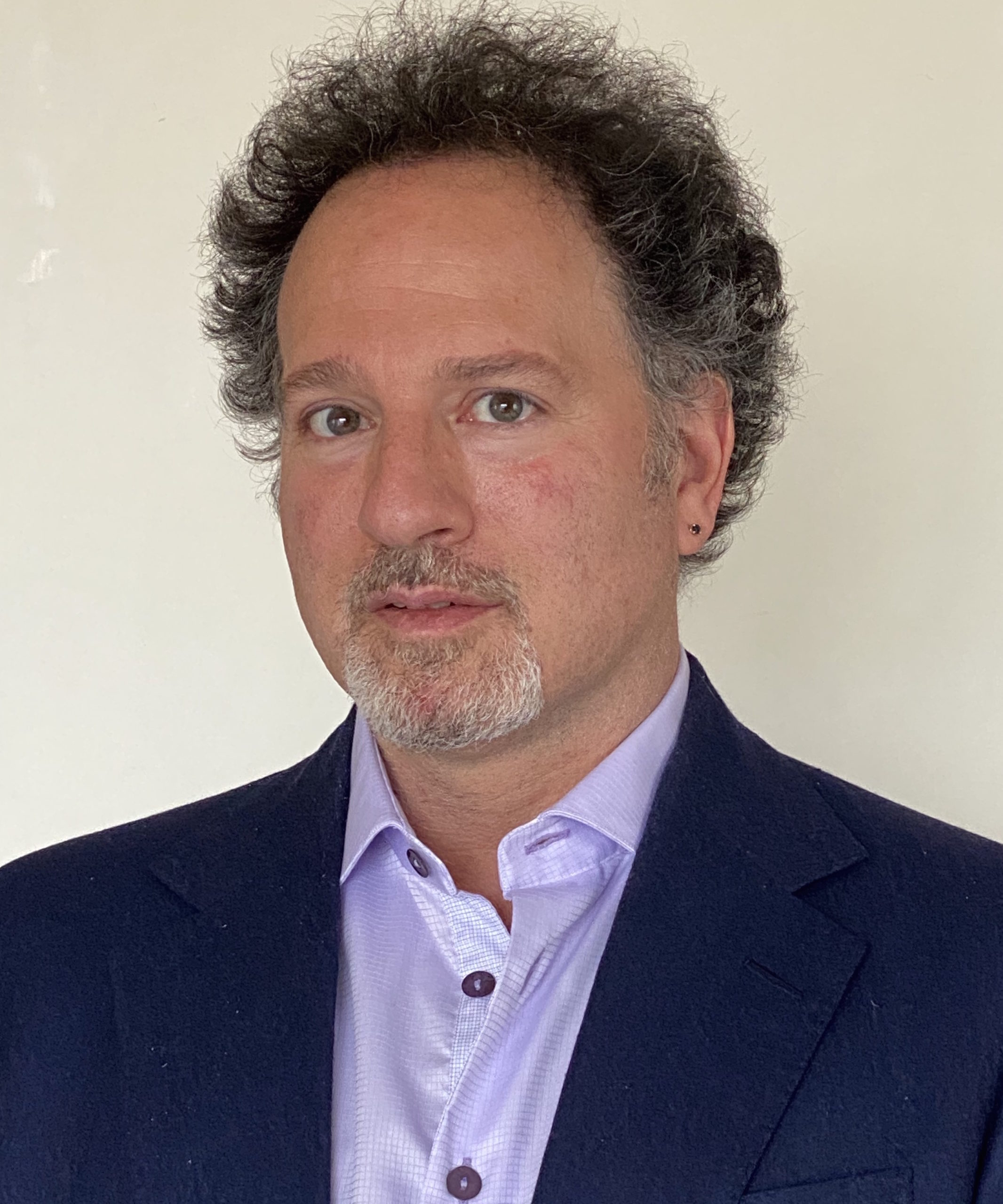
Zachary Karabell

Emma Varvaloucas