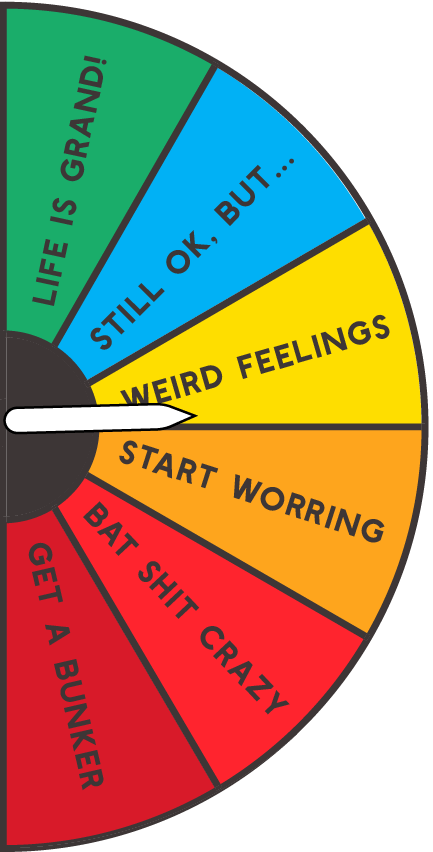
Volcanoes are erupting in The Philippines, but on-fire Australia received some welcome rain. The Iran war cries have been called off and The Donald’s military powers are about to be hamstrung by the Senate. Meanwhile, his impeachment trial is starting, and we’re all on Twitter for a front-row seat.

What Could Go Right? The Dementia Revolution
A surprising wave of optimism has hit the field of Alzheimer’s research.

Emma Varvaloucas
This is our weekly newsletter, What Could Go Right? Sign up here to receive it in your inbox every Thursday at 5am ET. You can read past issues here.
The Dementia Revolution
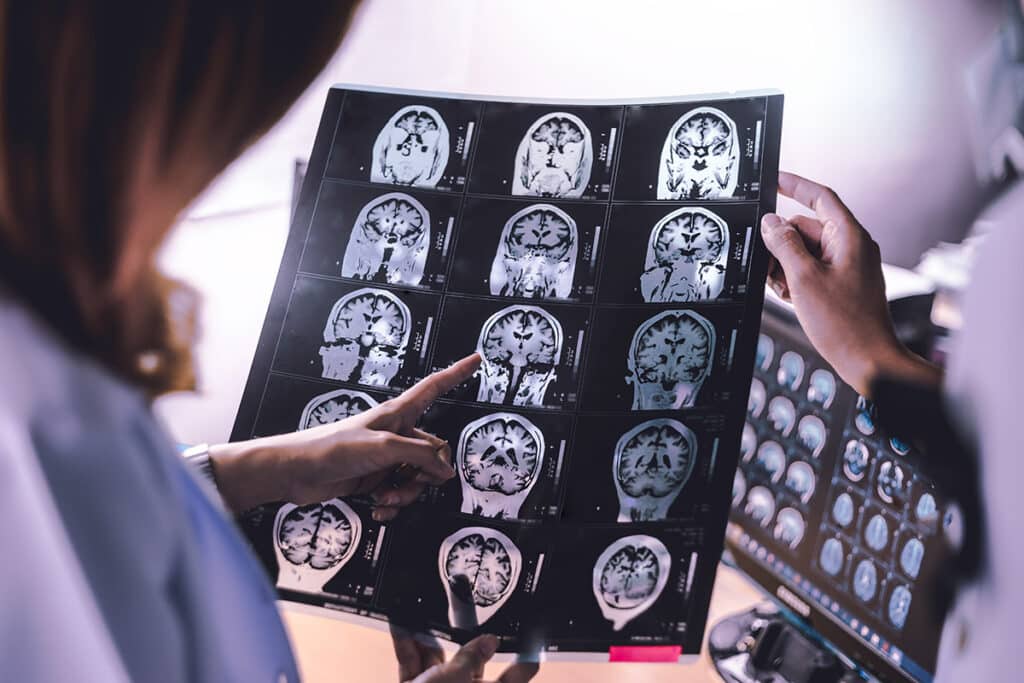
Dementia might seem an unlikely place to look for a Copernican revolution in medicine.
Yet, that’s how one prominent researcher described a slew of fresh study results that revealed something surprising: that successive generations are increasingly less likely to develop the neurodegenerative condition. In the US, for instance, one in ten Americans aged 85–89 have dementia today, down from one in three 40 years ago. Canada, the UK, Japan, and several European countries have seen similar drops.
Much of the decline can be chalked up to lifestyle changes we tend to take for granted. Since the 1970s, researchers have homed in on a variety of aggravating factors, such as high cholesterol and smoking. More recently, they’ve found that seemingly unrelated medical interventions, from the shingles vaccine (really!) to treatment of depression and vision loss, lessen the risk as well. Even better schooling makes a difference.
Despite it all, though, the number of people with dementia continues to swell, because the disease primarily affects the elderly and more of us are living longer than ever. Worldwide, an estimated 139 million people will have dementia by 2050, up from 55 million in 2019.
A History of Failure
This means that treating dementia remains an urgent concern. But it is one that has gone mostly unaddressed. Unlike for ailments such as cancer, for which medical advancements have transformed prognoses, dementia research has long traveled a path to nowhere: Between 2000 and 2020, experimental dementia drugs in clinical trials had a failure rate of more than 99%. Decades of testing has yielded some options for symptom management, but little of consequence in regard to targeting the underlying mechanisms.
Such has been the case—and worse—with Alzheimer’s, the most common form of dementia. Alzheimer’s-related missteps have been more than an honest consequence of tricky science; the field has been mired in so much fraud and misconduct that somebody could write a book on it. (In fact, somebody did— journalist Charles Piller.) The lack of headway has meant that an Alzheimer’s diagnosis is essentially little more than a cause for resignation, a particularly painful one given the disease’s inevitable progression, “stealing cherished memories and finally the very identity that makes each of us human,” as Piller writes.
All of this makes the current moment particularly exciting. Recent clinical-trial successes and other breakthroughs mean that the view of Alzheimer’s is finally shifting, from a disease of inevitable decline to one that can be caught before symptoms appear—and even treated.
“Alzheimer’s disease is going gangbusters at the moment,” neuroscientist and pathology professor Colin Masters says in a new major report. “The feeling of optimism has never been so strong. We’ve moved from a great nihilistic, pessimistic era five years ago towards an era of extreme optimism.”
The New Optimism
The change of heart was spurred by the arrival of two drugs. In 2023 and 2024, lecanemab and donanemab, respectively, became the first drugs approved in the US to slow the progression of early Alzheimer’s. Scientists had long theorized that the disease is triggered by a buildup of amyloid protein in the brain. These drugs work to clear it, though their effect isn’t strong—they slow clinical decline by about 30%. (To put that into perspective, one study showed that in cases of very mild Alzheimer’s disease, lecanemab might result in 10 extra months of independent living.)
But if the drugs can be beneficial, they are also risky. The European Medicines Agency, in fact, decided to restrict lecanemab to certain patients and declined to recommend donanemab at all, because their use can lead to brain swelling and bleeding. (The decision around donanemab was later reversed.) Still, they offered confirmation that altering the course of the disease was possible—and that scientists were on the right track with the amyloid hypothesis. “It’s the first brick, and there’s an awful lot to build on,” said Cath Mummery, director of the UK’s Dementia Trials Network, in the report.
The more positive mood has meant an explosion of clinical trials, with candidate medicines up 40% over the past decade. Some of these are anti-amyloids like lecanemab and donanemab, but many others reflect an expanding understanding of the disease’s multiple drivers, targeting inflammation, immune dysfunction, the loss of neurons and synapses, and another protein called tau that is also associated with Alzheimer’s. Just last week, researchers at UC San Diego announced that they had identified a new protein fragment called catestatin that could reduce the buildup of not only amyloid, but also tau—the first hint that a treatment could be developed that targets both proteins simultaneously.
Testing is also moving ahead. Until recently, the best available options for making the differential diagnosis of Alzheimer’s has been a PET scan or spinal tap. Ten to 15 years ago, these were rarely used tools even in the US. Now, they might soon be outdated, as the medical community transitions to diagnostic blood tests, which can catch Alzheimer’s up to 10 years before symptoms appear. Scientists are eagerly awaiting the results of clinical trials that are due by the end of the year or early next. If, as expected, those results are positive, these tests will allow doctors to start patients on anti-amyloid drugs while their cognitive impairment is still mild.
And that is likely only the beginning. The authors of the report see us entering a period of treatment advances akin to the one oncology embarked on in the 1990s, with combination therapies, precision medicine, and earlier interventions that transformed the field. Maybe 2026 will look the same from the vantage point of 2062 for Alzheimer’s.
—Emma Varvaloucas
What Could Go Right? S8 E25: The Race for the Arctic Has Already Begun. Is America Ready? | With Rana Foroohar
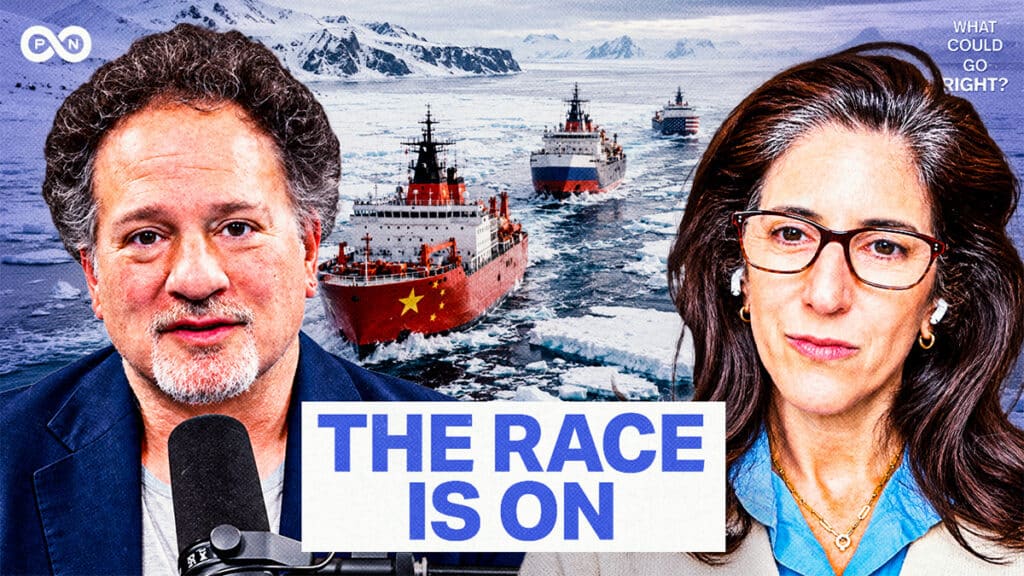
Author, columnist, and economic analyst Rana Foroohar joins host Zachary Karabell to talk about her new book Sea Change: America’s New Great Game in the Arctic. They discuss how sea lanes opening across the North Pole as a result of climate change could reshape trade, security, and geopolitics, and make the Arctic one of the most important economic and political zones in the world. | Listen now
By the Numbers
~$30K: Tuition drop for the 2027–28 academic year at the University of Tulsa, an example of the cost slashing occurring at a growing number of American private colleges
260K: Size, in number of soccer fields, of Norway’s new marine protected area
$131.5M: Amount DoorDash delivery workers in NYC will collectively receive to settle claims of non- or underpayment, the largest worker settlement in city history
Go Figure
Birth control pills for men have for decades seemed just beyond the horizon. But with several reversible versions currently in human trials—and a hormonal gel headed toward a first-of-its-kind Phase 3 trial—researchers say multiple male contraceptive options could reach pharmacies within five years. One small step for men, one giant leap in equality for humankind.
Quick Hits
🛢️ The global economy has avoided the steep downturn that historically accompanies oil shocks; growth is now forecasted to approach pre-Hormuz-crisis expectations.
🏭 Germany has become the world’s third country to present a solid plan for phasing out fossil fuels, following France and the Netherlands. It is shooting for a deadline of 2045.
🏝️ The UN passed its first declaration in response to sea-level rise, preserving small island nations as political actors should their landmass disappear. Notably, the US did not dissent.
🧬 An epigenetic editing therapy has worked to banish hepatitis B in monkeys and mice, and human trials have begun. Epigenetic editing turns genes “on” and “off” rather than making cuts to DNA strands.
🔍 New species alert: two species of sea spiders who live in the shallow waters off Canada’s coast, nine species of deep-sea sponges in Alaska, and two of a single-celled organism called Paulinella, which was discovered in an $80-a-night motel room.
🌲 An area of Amazon forest roughly the size of the US state of New Jersey has been saved by Brazil’s current administration since 2022.
🔋 Which country’s ratio of battery storage to power capacity outpaces the likes of Germany and China? It’s Bulgaria—which has been feverishly building storage over the past two years.
🙂 The latest report from the CDC finds that teenage mental health is improving significantly, reflecting a long-term recovery that is more than just a return to pre-pandemic figures. (Related: Suicide rates have been falling gradually in Europe over the past decade.)
📍 Options to GPS, such as those that use Earth’s quantum field, are around the corner, offering more reliable alternatives to a technology that is easily jammed.
💊 Scientists have developed ingestible batteries that break down in the body’s GI tract, making them safer for humans and the environment. Already existent ingestibles can deliver drugs, monitor vital signs, and even detect opioid overdoses.
📱 YouTube has introduced algorithmic customization for its front page, a rare opportunity for users to directly tweak what videos they see.
💡 Editor’s pick: This piece is a wild but unforgettable ride that demands we face where we’re placing our attention.
TPN Member Originals
(Who are our Members? Get to know them.)
- The singularity is clear | NonZero | Robert Wright
- The many lines of evidence that social media is not safe for teens | After Babel | Jonathan Haidt
- Can Mark Carney build a new middle power alliance? | GZERO | Ian Bremmer
- Trump wants to make America 1988 again | WaPo ($) | Theodore R. Johnson
- Are lynchings really happening? | NYT ($) | John McWhorter
- Trump and Xi could learn something from Darwin | FP | Fareed Zakaria
- The 1% next door | No Mercy/No Malice | Scott Galloway
- What is the meaning of mystical experience? | The Atlantic ($) | David Brooks
- How can AI enhance human progress? | GZERO | Ian Bremmer
- Your parents raised you. What do you owe them? | TFP ($) | Arthur Brooks
- Feed the lizard | Slow Boring | Matthew Yglesias
This Week in History: I Want to Hold Your Scan
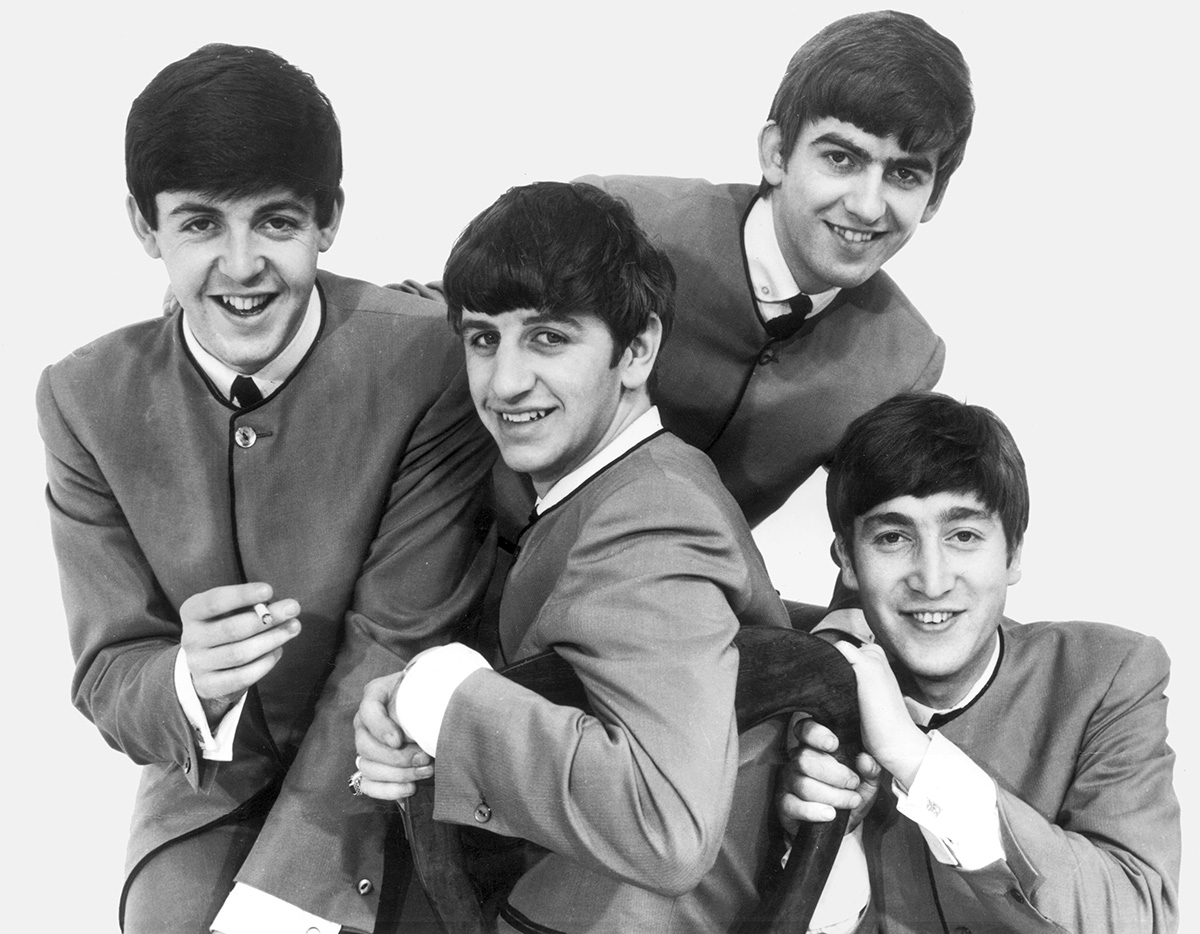
Sure, the Beatles changed music, but did you know they also helped change medicine? Specifically, they made possible the CT scan, the first of which was performed 55 years ago today.
Before that, brain doctors were essentially flying blind. X-rays showed only a gray, foggy mass, which meant that two out of three tumors were missed. Things got freaky as the profession tried to remedy that problem—one of the more horrific techniques was featured in The Exorcist.
But nothing of consequence happened until an engineer named Godfrey Hounsfield came up with an idea. Hounsfield wanted to see if he could take what he knew about how soft tissue interacts with X-ray beams to build a “slice by slice” composite of a body that could differentiate healthy tissue from diseased. After lots of testing on pig brains, the first human was scanned on October 1, 1971. When the image came back (after two days), Hounsfield and his colleague, radiologist James Ambrose, apparently “jumped up and down like football players who had just scored a winning goal.”
Modern science was changed forever. Hounsfield won the Nobel Prize for his invention, and today, doctors worldwide run hundreds of millions of CT scans a year, detecting internal bleeding, diagnosing everything from kidney stones to cancer, and doing a bunch of other crucial stuff.
Where do the Beatles come in? Well, Hounsfield worked for EMI, a company that had built its reputation on developing the military radar used in WWII. But EMI wasn’t solely focused on radar; it also owned Capitol Records, which signed the Beatles in the early ’60s. Beatlemania turbocharged EMI’s profits, and that windfall is why the company could afford to bankroll Hounsfield’s expensive idea. So should you ever find yourself undergoing a CT scan, give your favorite Beatles tune a hum, and send out a thanks to John, Paul, George, and Ringo.