Volcanoes are erupting in The Philippines, but on-fire Australia received some welcome rain. The Iran war cries have been called off and The Donald’s military powers are about to be hamstrung by the Senate. Meanwhile, his impeachment trial is starting, and we’re all on Twitter for a front-row seat.

What Could Go Right? A Toothbrush That Zaps Bacteria and the First Episode of Sesame Street
Good news from November

Emma Varvaloucas
This is our weekly newsletter, What Could Go Right? Sign up here to receive it in your inbox every Thursday at 5am ET. You can read past issues here.
A Toothbrush That Zaps Bacteria and the First Episode of Sesame Street
Dear WCGR? readers: We have a shortened newsletter this week as our team was off for Veterans Day. We’ll be back in full next week!
By the Numbers
496M: People lifted out of poverty in India between 2011 and 2023
$0.80: Cost of a plastic pouch that is saving thousands of women from dying in childbirth
19%: Global decrease in neglected tropical diseases since 2020
25%: Share of electricity produced by solar and wind in Poland, up from 11% in 2021
Go Figure
Four minutes a day. That might be all you need to halve your risk of profound cognitive deterioration. Researchers tracking more than 22,000 adults found that accumulating just 3.7 minutes of vigorous daily activity was associated with a 48% lower risk of developing dementia over roughly eight years. Even more surprising is the nature of this activity: Climbing stairs, carrying heavy groceries or rushing to catch a bus all count. The study doesn’t establish cause and effect, but it suggests that protecting your brain might require less exercise than you think.
Quick Hits
📉 Homelessness experienced the largest drop on record in the US last year, reducing the number of homeless people by more than 47,000. It still far exceeds prepandemic levels, however.
💊 A new drug continues to reduce blood pressure years after people stop taking it, potentially curing some instances of the condition completely.
👩🍼 Mongolia cut maternal mortality by more than 75% since 1990, making it one of only nine countries to do so.
🪥 Chinese researchers have developed a toothbrush that zaps bacteria with an electrical charge, potentially the first radical redesign of the manual version in more than 1,000 years.
🏭 China’s CO2 emissions fell about 3% in the third quarter of 2026, the largest drop since COVID. The decline continues a “flat or falling” trend in China’s emissions that has lasted since the spring of 2024.
🗳️ A little-covered midterm success: Missouri has made it difficult for politicians to override the will of voters, curtailing the power of the legislature and shifting authority more directly to its citizens.
👀 What we’re watching: Israeli opposition leader Gadi Eisenkot has six weeks to form a new government that would unseat Benjamin Netanyahu as prime minister.
💡 Editor’s pick: Teen mental health isn’t exactly flourishing, but it is improving.
TPN Member Originals
(Who are our Members? Get to know them.)
- Can beauty make us good? ($) | David Brooks
- MAGA’s late-stage radicalization has begun | Ruth Ben-Ghiat
- The passings of a Rockefeller, and a Houston | James Fallows
- Life before humanity’s Great Acceleration | James Pethokoukis
- It’s so over for AIPAC | Matthew Yglesias
- You want AI regulation? Ok. | Baratunde Thurston
- Did Iran win the US midterms? Not so fast. | Faisal Saeed Al Mutar
- How to raise a reader ($) | Arthur Brooks
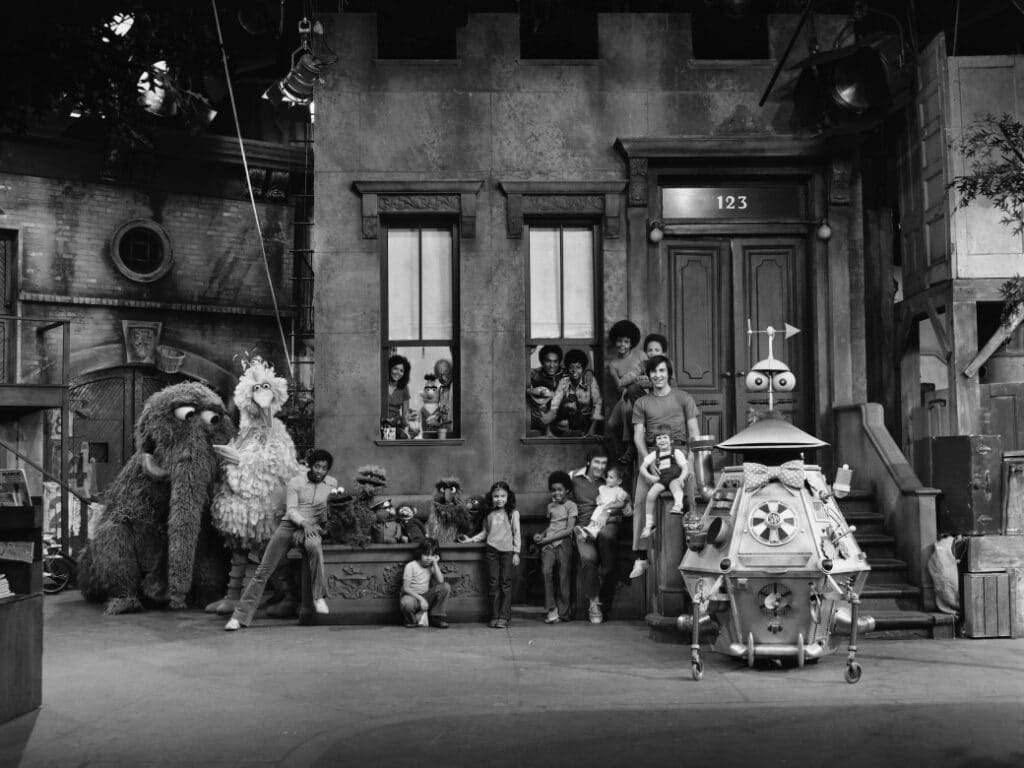
This Week in History: Open Sesame Street
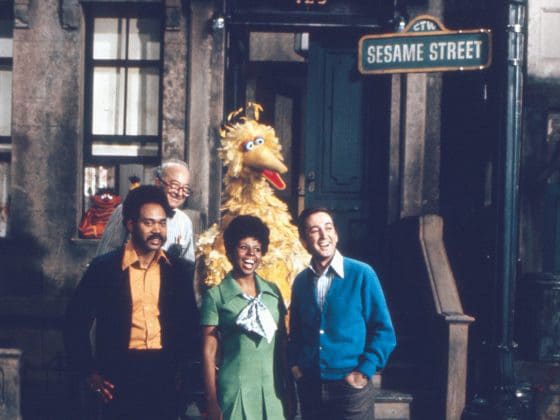
If not for a happenstance conversation in 1966, there may have never been the global phenomenon that is Sesame Street.
There was a lot going on in the US back then: the War on Poverty, for one, not to mention the Civil Rights Movement. American parents were also concerned that their kids were watching way too much mindless television. What if it could be used to educate—and tackle social issues—instead?
That was the discussion producer Joan Ganz Cooney fell into with psychologist and Carnegie Corporation executive Lloyd N. Morrisett at a dinner party 60 years ago. Three years and many title ideas later, the first episode of Sesame Street aired on November 10, 1969. (Though much would still be recognizable to today’s viewers, there were some differences: Oscar the Grouch was orange, and Elmo didn’t have a name.) The program was created specifically to help underprivileged children prepare for school.
Sesame Street achieved its goals and much, much more. Research published in 1970 found that children from low-income inner-city neighborhoods, isolated rural areas, and middle-class suburbs all benefited from the show; disadvantaged children who watched a “great deal” even surpassed middle-class children who watched “only a little” in learned skills.
Now the longest-running children’s show in American television history, Sesame Street has reached more than 150 countries. It is oftentimes used as a tool to not only teach kids how to count but also how to understand sensitive issues—HIV in South Africa, for instance, or conflict in the Middle East.
The title, by the way, is a nod to the phrase “open sesame.” While its creators passed on another potential title, 1-2-3 Avenue B, in part because it was a real location, there is now an actual Sesame Street in New York City, at the intersection of West 63rd Street and Broadway, so dubbed in 2019 to recognize the show’s 50th anniversary.